Essential Tips for Using Push Button On Off Devices?
In today's fast-paced world, "Push Button On Off" devices have gained immense popularity across various industries. According to David Thompson, a leading expert in industrial controls, "Efficient use of these devices can significantly enhance operational productivity." Understanding how to properly utilize these devices is essential for both novices and experienced users alike.
Many individuals underestimate the importance of proper installation and maintenance. A common misconception is that all push buttons function identically. In reality, there are various types, each designed for specific applications. Users might find themselves frustrated when buttons fail due to improper setup. Such experiences highlight the need for familiarity with different product specifications.
Moreover, users often overlook the significance of user feedback in the design of these devices. Feedback from actual use can lead to improvements and innovations. Acceptance of limitations is crucial. Acknowledging that not all push buttons will meet every need can steer users toward making informed choices. By embracing these realities, individuals can navigate the world of "Push Button On Off" devices more effectively.

Understanding Push Button On Off Devices and Their Uses
Push button on/off devices are essential in various applications. These devices offer a simple way to control power. They are commonly used in household appliances, industrial machines, and safety systems. Understanding their functionality can enhance efficiency.
One key aspect is how these buttons operate. A push button closes or opens a circuit when pressed. This action is straightforward yet effective. For instance, pressing a button on a lamp turns it on, while pressing it again turns it off. However, not all push buttons are created equal. Some may wear out quickly or become unresponsive over time. Regular testing ensures reliability and safety.
Another important consideration is the placement of these devices. Proper positioning enhances usability. In some cases, buttons might be placed where they are hard to reach. This can lead to user frustration. Evaluating designs can improve user experience. Additionally, accessibility is crucial for individuals with disabilities. Overall, recognizing these factors can lead to better use and design of push button on/off devices.
Identifying Different Types of Push Button Switches
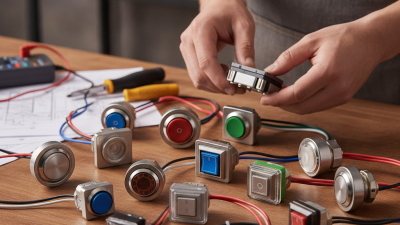
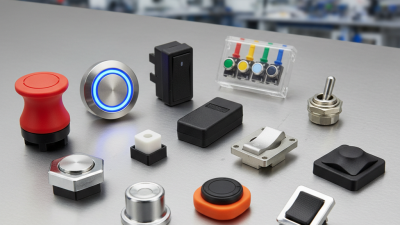
Push button switches are vital in many devices, allowing for quick and efficient control. Different types of push button switches are designed to meet various operational needs. Understanding these types can enhance user experience and safety. Common types include momentary switches, toggle switches, and illuminated switches.
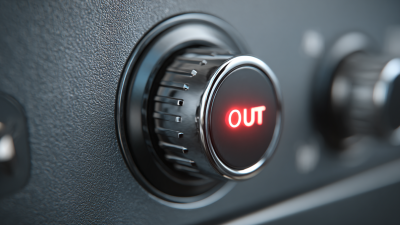
Momentary switches are designed to stay activated only while pressed. They are widely used in applications like doorbells or emergency stop buttons. Toggle switches, on the other hand, maintain their last position until changed again. They are often found in lighting circuits. Illuminated switches add visual feedback, making them safer in low-light conditions.
When selecting push button switches, consider their application carefully. Evaluate the environment they will operate in. For instance, switches exposed to moisture need better sealing. Research indicates that nearly 30% of device malfunctions stem from improper switch selection. Remember to assess the force required for operation. Some users may struggle with high-resistance switches.
Always test switches before final installation. Sometimes, what looks functional may not perform as expected. Pay attention to the labeling and ratings. Not all switches are suitable for high-load conditions. Neglecting this can lead to device failure. Adopting these tips can ensure better performance and longevity of your devices.
Safety Considerations When Using Push Button Devices
When using push button devices, safety should be a primary concern. Many users underestimate the potential hazards associated with electrical devices. According to the National Fire Protection Association (NFPA), electrical failures contribute to roughly 13% of residential fires in the United States. Proper handling and usage can significantly reduce risks.
Routine checks of push button devices are necessary. Regularly inspect for signs of wear or damage. Damaged devices can lead to shorts or malfunctions. Additionally, always ensure the device is installed correctly. Incorrect installation may result in electric shocks or fires. The Occupational Safety and Health Administration (OSHA) emphasizes that adherence to safety guidelines can prevent up to 80% of workplace accidents.
Training is also crucial. Users should understand the operational limits of push button devices. For instance, exceeding specified load ratings can cause overheating. It is often recommended to consult user manuals for guidelines. A lack of knowledge could lead to unsafe practices. Ultimately, cultivating a habit of vigilance and adhering to safety protocols is vital when operating push button devices. Balancing convenience and safety should always be a priority.
Step-by-Step Guide to Installing Push Button Switches
Installing push button switches can enhance the functionality of various devices. Understanding each step ensures safety and effectiveness. Start by selecting an appropriate location for your switch. It should be easily accessible and free from obstructions. According to industry data, nearly 35% of electrical issues arise from improper installations. Therefore, taking the time to choose a good spot is essential.
Next, gather your tools: a screwdriver, wire strippers, and electrical tape are basic requirements. Safety should be your priority. Always turn off the power supply before beginning installation. Many professionals emphasize that about 15% of electrical accidents occur due to negligence in this area. When connecting wires, ensure that you follow color coding. Typically, the black wire is for power, while white is neutral.
Once wired, mount the switch securely in place. Check for any loose connections. A common mistake is to overlook this step, which can lead to device malfunction. After installation, restore the power and test the switch. If it doesn’t respond, double-check your connections. Professional surveys show that nearly 20% of DIY installations fail due to overlooked details. Proper installation of push button switches requires patience and attention to detail for optimal performance.
Essential Tips for Using Push Button On Off Devices
| Step |
Description |
Tools Required |
Safety Tips |
| 1 |
Choose a suitable location for installation. |
Screwdriver, drill |
Ensure power is off before installation. |
| 2 |
Mark drill holes accordingly based on the switch dimensions. |
Tape measure, pencil |
Wear safety goggles when drilling. |
| 3 |
Drill holes and mount the push button switch. |
Drill, screwdriver |
Check for any loose wiring. |
| 4 |
Connect the wiring according to the device's specifications. |
Wire strippers, connectors |
Avoid touching exposed wires. |
| 5 |
Test the installation to ensure everything functions correctly. |
N/A |
If issues arise, consult the manual. |
Troubleshooting Common Issues with Push Button On Off Devices
When using push button on/off devices, troubleshooting common issues is crucial for effective operation. One frequent problem is unresponsiveness. If the button doesn't work, check the power source first. Ensure the device is plugged in and the outlet functions correctly. Sometimes, a simple reset can fix the issue, but don't underestimate the importance of inspecting for loose connections.
Another common issue is intermittent functionality. If the button works sporadically, it may be due to dirt or debris. Cleaning the button with a dry cloth can often restore functionality. Pay attention to how the button feels under your finger. If it sticks or feels loose, it may need replacement or further inspection.
Finally, some users may experience unexpected shut-offs. This can be frustrating, especially during use. Investigate any potential overloading on the device or its circuit. Ensure that the device specifications align with the outlet capacity. Keep in mind that sometimes, even well-maintained devices face failures. Reflect on how often you use the device; frequent use may indicate the need for a more robust solution.