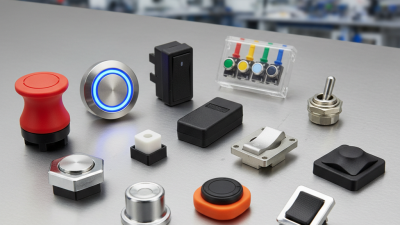
How to Choose the Best Push Button On Off Switch for Your Needs?
Choosing the right Push Button On Off switch can significantly impact your project's success. According to industry expert John Smith, "A well-chosen switch can enhance user experience and safety." He emphasizes that selecting a switch requires balancing functionality with design.
In today’s market, there are countless options available. Each product comes with unique features, making the choice overwhelming. It's crucial to consider your specific needs, whether it's for a home appliance or industrial machinery. A suitable Push Button On Off switch ensures reliability and durability over time. For instance, switches intended for outdoor use must resist weather conditions. This detail is often overlooked but can determine the product's lifespan.
Many users rush through their decisions. They prioritize aesthetics and overlook critical factors like voltage rating. Making these mistakes can lead to failures. Reflecting on previous choices can help in future selections. Understanding what truly fits your needs is vital for success in any project.
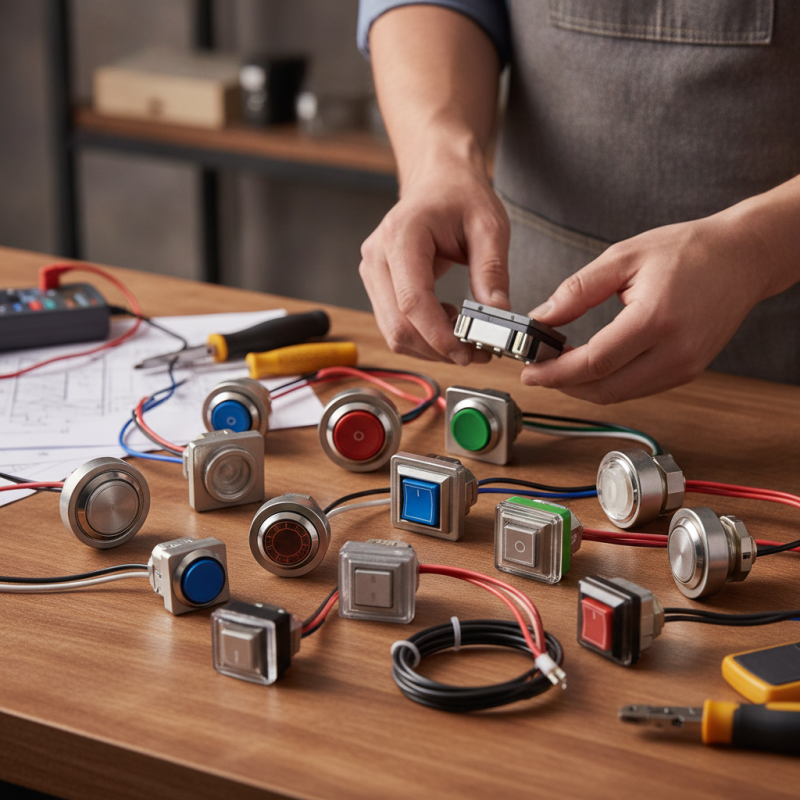
How to Determine the Voltage Ratings for Push Button Switches
When selecting a push button on/off switch, understanding voltage ratings is crucial. Voltage ratings indicate the maximum voltage a switch can handle safely. Exceeding this limit can cause failure or hazards. This understanding is essential for both safety and functionality.
Different applications require different voltage ratings. For instance, a household switch may need to handle 120V or 240V, depending on your region. In contrast, low-voltage applications, such as LED lighting, might only need a 12V or 24V switch. It's important to assess the specific needs of your project before making a purchase.
Moreover, keep in mind the environment where the switch will be used. If it’s subject to high humidity or dirt, look for switches with higher ingress protection ratings. A common mistake is underestimating the conditions that can impact switch performance. Reflecting on these factors ensures that you choose a switch that is both reliable and safe for your intended use.
Understanding Current Ratings: Amps and Their Importance in Selection
When selecting a push button on/off switch, understanding current ratings is crucial. Amps determine how much electrical current a switch can handle. Too few amps can cause overheating. Always look for the amperage needed for your application.
Consider the exact requirements of your devices. If the current rating is not clear, consult the product specifications. A switch with a higher amperage than needed is generally safe, but be cautious of excessive ratings. They may lead to a false sense of security.
Tips: Always ensure compatibility with your system’s voltage. Improper voltage can also lead to failures. Regularly check switches for wear. This can help prevent unexpected breakdowns. Understanding these factors guarantees reliability and safety. Your choice can significantly impact performance and longevity.
Current Ratings of Push Button On/Off Switches
Evaluating Switch Durability: Lifespan and Mechanical Ratings
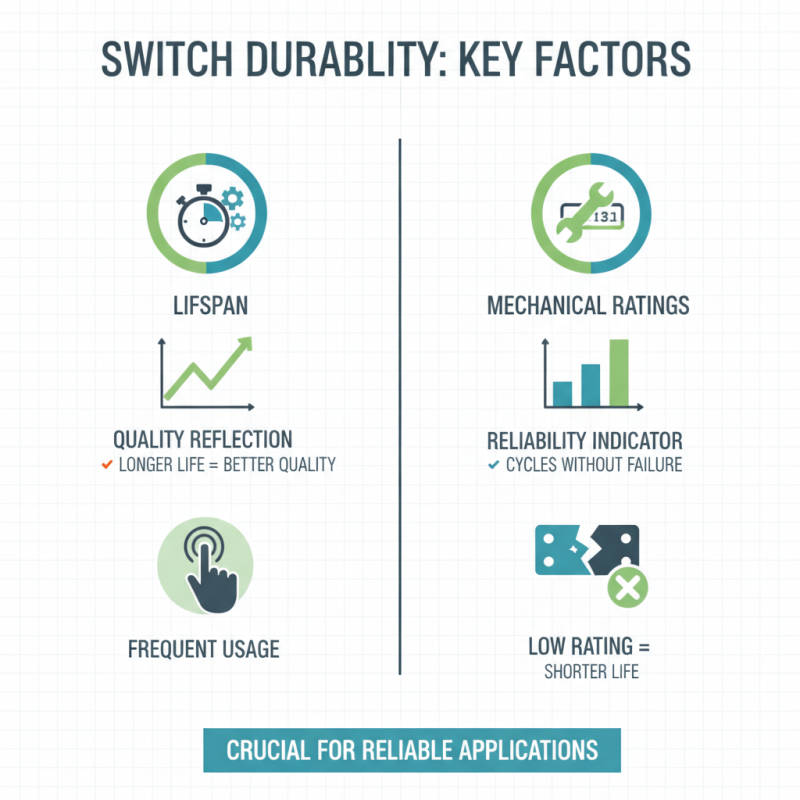
When selecting a push button on/off switch, durability is crucial. A switch's lifespan often reflects its quality. Generally, mechanical ratings can offer insight into this aspect. These ratings usually indicate how many times a switch can reliably operate without failure. Low mechanical ratings may suggest a shorter lifespan. This is critical for applications involving frequent usage.
Mechanical endurance ratings are usually measured in cycles. A switch rated for 50,000 cycles means it is designed to last through extensive use. For light applications, this might suffice. However, for industrial or heavy-duty environments, a higher rating is advisable. Over time, low-rated switches may malfunction or become unreliable. Users often overlook this detail, leading to future complications.
Environmental factors also impact longevity. Dust, moisture, or extreme temperatures can degrade switch performance. Choosing a switch with appropriate housing can mitigate these risks. Reflect on your environment before making a choice. It's essential to balance durability with operational needs. Ultimately, the best switch meets both mechanical ratings and your specific usage scenario.
Exploring Different Types of Push Button Switches and Their Applications
When looking for a push button on/off switch, understanding the different types available is crucial. Push button switches generally fall into two categories: momentary and maintained. Momentary switches only remain on while pressed, making them ideal for functions like reset buttons. Maintained switches stay in their last position until pressed again, perfect for powering devices on or off consistently.
It's important to consider the application before making a decision. For instance, if the switch will be exposed to harsh environments, an industrial-grade switch may be necessary. A waterproof switch could be needed for outdoor applications. Always assess the electrical ratings too. Overloading a switch can cause failure or hazards.
Tips for choosing the right switch: check the required current and voltage to ensure compatibility. Consider the physical size and shape, as it must fit your device's design. Look for a switch with adequate tactile feedback, making it clear whether the switch has been engaged. Many users overlook the ergonomics; comfort can significantly affect usability. In some cases, a poorly chosen switch can lead to frustration, requiring users to rethink their selection process.
How to Choose the Best Push Button On Off Switch for Your Needs?
| Switch Type |
Application |
Current Rating |
Voltage Rating |
Features |
| Momentary Push Button |
Control circuits, toys |
3A |
12V |
Compact size, easy to install |
| Latching Push Button |
Home appliances, industrial equipment |
10A |
120V |
Toggle function, durable design |
| Illuminated Push Button |
Control panels, dashboards |
5A |
24V |
LED indicator, enhances visibility |
| Waterproof Push Button |
Outdoor equipment, marine applications |
16A |
12V |
Sealed design, resistant to moisture |
| Soft-Touch Push Button |
Electronic devices, automotive |
2A |
5V |
Gentle pressing, tactile feedback |
Key Features to Look for: Size, Mounting, and Additional Functions
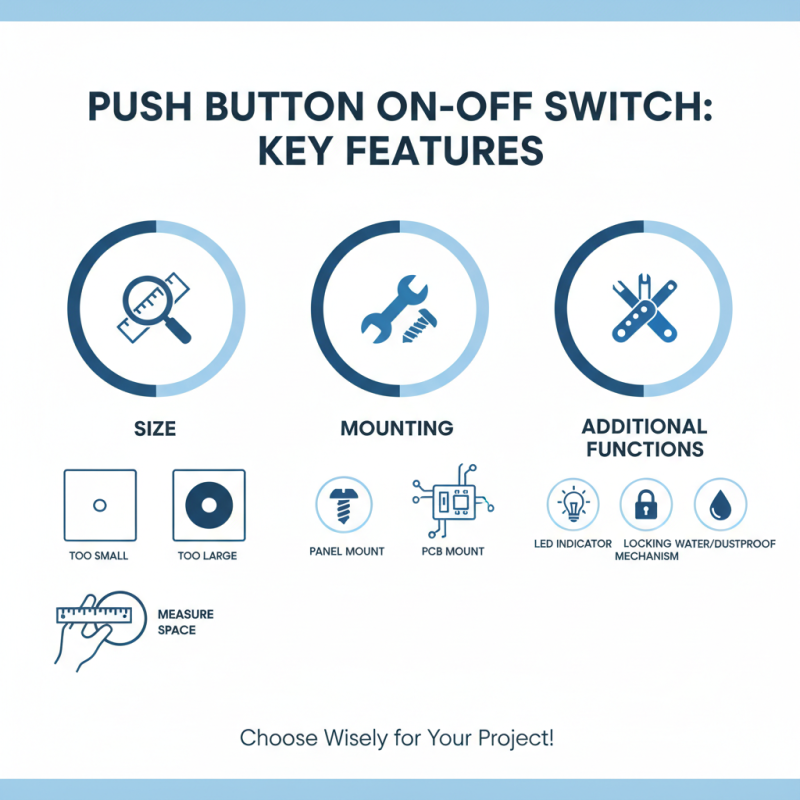
Choosing the right push button on-off switch requires careful consideration of key features. Size plays a crucial role. A switch that is too large may not fit your project, while one that is too small can be challenging to operate. To determine the best size, measure the space where the switch will be installed. This ensures a comfortable fit and smooth operation.
Mounting options are equally important. Switches can be panel-mounted, surface-mounted, or even embedded. Each type has its own installation requirements. Think about how you want to access the switch. For instance, a surface-mounted switch is easier to reach but may not blend well with your design. On the other hand, a panel-mounted switch offers a cleaner look but can be more difficult to install.
Additional functions can enhance usability. Some switches include features like illuminated buttons or built-in indicators. These can improve user experience, especially in low-light settings. However, consider whether these extras are necessary for your application. Not all projects require advanced functionalities, and added features can increase the complexity of the switch. Reflecting on these aspects ensures you choose a switch that truly meets your needs.