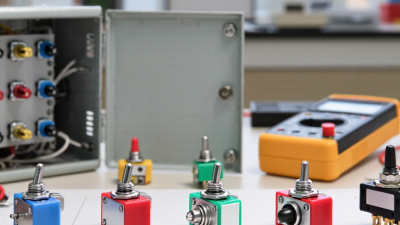
Choosing a Micro Switch On Off for global buyers is more than comparing prices or terminal layouts. The correct choice protects equipment, supports safe operation, and reduces replacement work. A small switch may control a machine panel, battery circuit, appliance, or industrial control box. Its internal contacts still face current, vibration, dust, moisture, and repeated human pressure.
Dr. John D. Lenk, an electronics design author and consultant, offers a practical principle: “A component must perform reliably in the real circuit, not merely on paper.” That idea matters when evaluating a Micro Switch On Off. Buyers should check rated voltage, current, contact resistance, switching speed, insulation strength, mechanical life, and operating temperature. The actuator also needs attention. A short lever feels different from a roller lever beside a moving mechanism. Small details matter.
Global sourcing adds another layer. Confirm the supplier’s test records, traceability, product consistency, packaging quality, and communication practices. Ask whether the published ratings apply to resistive loads, inductive loads, or motor circuits. They may not mean the same thing. Certification markings should be verified against the destination market and the actual product model.
A perfect selection is rarely obvious.
In practice, buyers sometimes choose a cheaper switch, then discover weak terminals, inconsistent actuation force, or premature contact failure. I have seen specifications appear complete while omitting mounting tolerance and cable size. That is an uncomfortable gap. This guide examines those overlooked details, helping global buyers select a Micro Switch On Off with stronger evidence, clearer judgment, and fewer costly surprises.
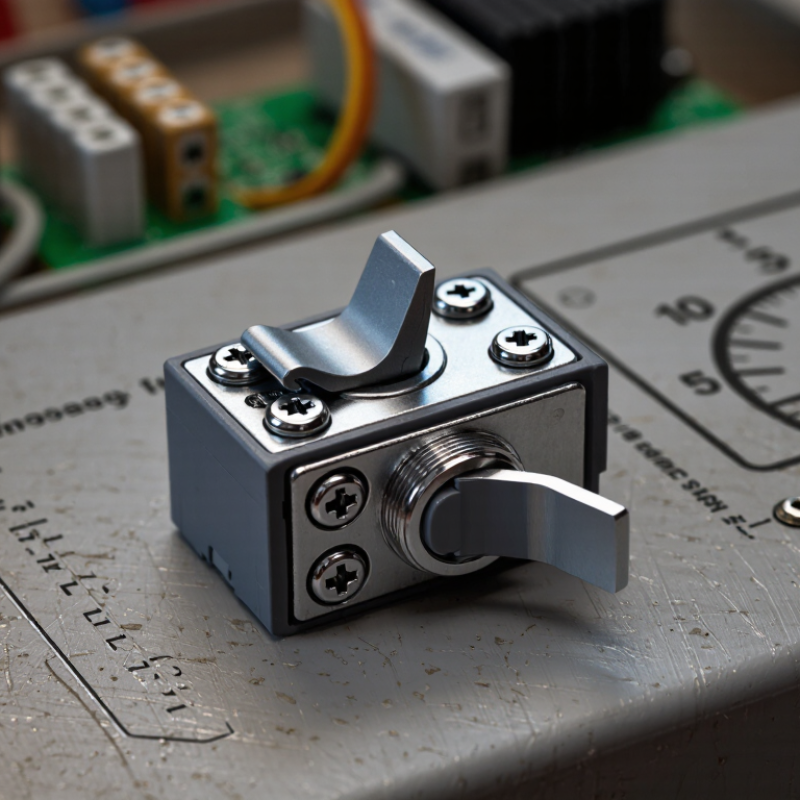
Choosing a micro switch on-off begins with its operating principle, not its outer shape. A spring-loaded mechanism moves a common contact between fixed terminals. When the actuator reaches its trip point, the contacts change state quickly. This snap action reduces uncertain contact movement.
Momentary switches return to their original position after releasing the actuator. They suit control panels, safety covers, and push-button functions. Maintained switches stay in the selected state until moved again.
SPST versions provide simple on-off control, while SPDT versions transfer one circuit between two outputs. Check the normal state carefully. Normally open contacts close during activation. Normally closed contacts open during activation.
Tips: Match the switch to the real load, not only the printed current rating. A motor may create a strong starting surge. Confirm voltage, inrush current, actuator travel, operating force, and terminal style. Leave enough mechanical clearance around the lever. Small alignment errors can cause early wear. A dusty enclosure may also need better sealing.
A practical selection lesson is easy to miss: electrical compatibility does not guarantee reliable operation.
I have seen designs pass bench testing but fail after repeated side pressure. Recheck the mounting angle, release position, and expected cycle count. Temperature and vibration deserve attention too. The cheapest option is not always the safest choice. Reliability grows from careful testing.
How to Choose a Micro Switch On Off for Global Buyers?
Identifying Key Electrical and Mechanical Specifications
A reliable micro switch begins with its electrical load, not its package size. Check the rated voltage, current, AC or DC operation, and switching frequency. DC loads can create stronger arcs than many buyers expect. Confirm the inrush current from motors, lamps, or capacitors. Do not guess. Contact resistance, insulation resistance, and dielectric strength also affect long-term reliability. Request test reports when specifications seem incomplete.
Mechanical details decide whether the switch will survive real equipment. Compare operating force, release force, pre-travel, over-travel, and total travel. The actuator should move freely without side pressure. A misaligned lever may cause intermittent signals and premature wear. Measure twice. I have seen compact switches fail because installers ignored mounting tolerance and cable strain. The mistake was simple, but the replacement cost was not.
Environmental conditions need equal attention. Review the operating temperature, humidity range, dust protection, vibration resistance, and expected electrical and mechanical life. A sealed housing may help, but it does not solve every installation problem. Ask how tests were performed and whether the figures represent actual production samples. Global buyers should also verify applicable safety documentation for the target market. Datasheets can look precise while hiding important test conditions. Leave room for uncertainty, especially when suppliers provide only typical values.
Identifying Key Electrical and Mechanical Specifications
The chart shows representative specification ranges commonly used when matching a micro switch to low-level signal, control-circuit, and mains-load applications. Contact current and operating force must always be verified against the manufacturer’s datasheet, together with voltage type, electrical life, insulation distance, terminal configuration, and IP protection requirements.
Choosing a micro switch on-off begins with the load, not the catalog photograph. List voltage, current, inrush, switching frequency, and actuator force. An inductive load needs more caution than a resistive lamp. That difference can destroy contacts early.
IEC 61058-1 offers a useful baseline for switch safety and endurance. However, certification alone does not prove application suitability.
The IEA’s Global EV Outlook 2024 recorded nearly 14 million electric car sales in 2023. This growth increases demand for compact switches in charging equipment, vehicle controls, and battery systems.
Grand View Research valued the industrial automation market at USD 191.89 billion in 2022, with continued growth expected through 2030. Buyers should therefore prioritize electrical life, not only initial price.
Select sealed construction when dust, oil, or condensation may reach the mechanism. An IP-rated housing can help, but the test conditions still require checking. Match the operating temperature to the real enclosure environment, including heat from nearby components. For frequent cycling, compare rated mechanical and electrical life separately. They are not the same. I would also verify contact material, terminal style, wiring clearance, and actuator tolerance before approval. A higher current rating is not always better; it may increase size, force, and cost. Field samples should be tested under actual loads, because laboratory assumptions can be too optimistic. Small details matter.
Choosing a micro switch on off for global equipment requires more than matching terminal layouts. Safety evidence should come first. Check the rated voltage, current, insulation resistance, dielectric strength, and contact gap. Request current test reports, not only a certificate number. Standards may differ by destination, application, and voltage system. A switch for a hand tool faces different risks from one inside heating equipment. Confirm whether approval covers the exact model, actuator, and electrical load. Small differences matter.
Materials influence both safety and service life. Copper alloy contacts can support stable conductivity, while the housing should resist heat, impact, and tracking. Ask for the operating temperature range and flame-retardant classification. For dusty workshops, sealed construction may prevent abrasive particles from reaching the contacts. For outdoor or damp equipment, review the IP rating carefully; IP54 is not waterproof. Salt mist, vibration, and repeated switching can expose weaknesses that a clean laboratory sample will not show. A datasheet can still hide practical limits. That deserves a second look.
Tips: Compare the switch rating with the real load, including motor startup current. Test samples in cold, hot, and vibrating conditions. Check terminal plating and wire fit by hand. Keep traceable inspection records. Do not assume a higher current label guarantees longer life. Also confirm replacement availability before approving a design. This step is often missed. Global sourcing rewards careful questions, though no checklist catches every failure.
When selecting a micro switch on off, compare suppliers through evidence, not attractive quotations. I usually request datasheets, sample reports, and recent production records. A reliable supplier should state operating force, electrical rating, cycle life, contact resistance, and insulation resistance clearly. Ask for evidence.
Quality control should cover incoming materials, assembly, and final inspection. Check whether the supplier tests switching performance under the exact voltage and current used in your equipment. For example, a sample may pass a basic continuity test but fail after repeated operation. Measure terminal alignment, housing damage, and actuator movement during inspection. Small defects can create expensive field returns.
Global purchasing terms need equal attention. Confirm MOQ, lead time, sample charges, payment stages, packaging details, and accepted Incoterms in writing. Request batch traceability, inspection photos, and a defined process for handling nonconforming goods. Compare landed cost, not unit price alone. Freight, replacement risk, and customs documentation can change the real figure. I have learned that supplier scorecards are useful, but they are never perfect. A high audit score cannot replace current samples and ongoing communication. Clarify warranty scope and corrective-action timing before placing a larger order. Some suppliers answer quickly, yet their technical replies remain vague. That is a warning sign.