China Best DPDT Rocker Switch Supplier for Global Buyers?

Finding a dependable China supplier for a Dpdt Rocker Switch takes more than comparing unit prices. Global buyers need a component that matches the circuit, fits the panel, and performs consistently in its intended environment. A product photo cannot confirm those details. Ask for the rated voltage and current, contact configuration, terminal material, operating temperature, and mechanical life. Check whether the supplier can provide a clear datasheet and sample for evaluation. Small details matter.

This guide outlines practical ways to assess manufacturers, compare specifications, and reduce avoidable sourcing risks. It also considers quality checks, customization, communication, and delivery planning. A switch may look simple, yet a mismatched cutout or unsuitable rating can delay assembly. Request test records and confirm what inspection covers; do not assume every supplier uses the same process. Verify certifications against your product requirements and target market, rather than relying on a logo in a brochure. Samples help, but they do not replace production controls. That takes time. Buyers should also clarify minimum order quantities, packaging, lead times, and how design changes are handled. No supplier is right for every application. A careful comparison, supported by documented specifications and direct questions, gives buyers a more reliable basis for choosing a partner.
China Best DPDT Rocker Switch Supplier for Global Buyers?

What Is a DPDT Rocker Switch?

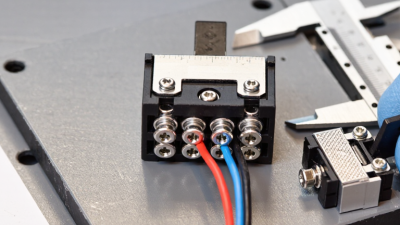
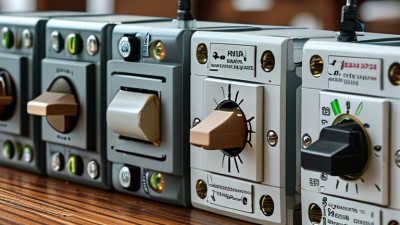
A DPDT rocker switch means double pole, double throw. It can control two separate circuits through one rocker, with each pole connecting to one of two output paths. In a typical two-position model, rocking it one way changes both connections; rocking it the other way selects the alternatives. That matters. A small panel switch could, for example, reverse the direction of a compatible motor while switching two conductors. Some versions include a center-off position, but not all do.

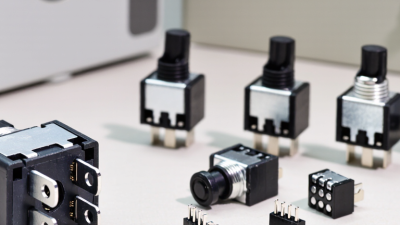
The terminal layout varies, so the wiring diagram matters more than appearance. Before choosing a switch, check its voltage and current ratings against the actual load, including any starting surge. Also confirm whether the circuit is AC or DC; ratings may differ between them. The rocker’s clear click is useful, but it does not prove the contacts suit the application. One detail is easy to miss: “DPDT” describes the switching arrangement, not the switch’s capacity. The terminology can feel less clear than the hardware. A careful match between the diagram, load, and intended operation helps prevent avoidable wiring mistakes.

How DPDT Rocker Switches Work and Where They Are Used

China Best DPDT Rocker Switch Supplier for Global Buyers?
How DPDT Rocker Switches Work and Where They Are Used

A DPDT rocker switch controls two separate circuits with one moving actuator. DPDT means double pole, double throw: each pole can connect to one of two output terminals. When the rocker changes position, both poles switch together. The result is a compact way to route or reverse connections. Some models have two stable positions; others include a center-off position. Check the wiring diagram, not just the rocker shape. Two circuits. One movement.

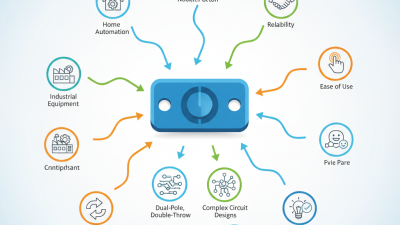
You’ll find DPDT switches in equipment that needs circuit selection or polarity reversal. A common example is reversing a suitable DC motor by switching its connections. They can also select between lighting modes or control paths in compact panels. The switch must match the circuit’s voltage and current ratings. A motor’s startup current may exceed its running current, so a seemingly adequate rating can still be a poor fit.

Tips: Before installation, identify the common and switched terminals with the product diagram or a continuity tester. Use wire sizes and terminals suited to the rated load, and secure connections against vibration. Leave enough space behind the panel for the switch body and wiring. Labels help during maintenance, though they can be easy to misread after a rushed installation. Test each rocker position with power safely isolated, then verify operation under the intended load.

China Best DPDT Rocker Switch Supplier for Global Buyers? - How DPDT Rocker Switches Work and Where They Are Used

Switch Configuration How It Works Typical Uses Key Selection Checks
DPDT ON-ON Two poles each connect to one of two output contacts. Moving the rocker changes both poles between their respective contact sets. Reversing the polarity supplied to a compatible DC motor; switching two related circuits together; selecting between two signal paths. Confirm the terminal layout and contact diagram. Check that the voltage and current ratings suit the actual load and switching conditions.
DPDT ON-OFF-ON Provides two active positions with a center-off position. In a standard center-off design, the switched circuits are disconnected in the middle position. Forward-off-reverse control for suitable DC motors; selecting between two operating modes with an off position. Verify that the center position is genuinely off and check whether the switch is maintained or momentary in each position.
Momentary DPDT One or both active positions return to a resting position when the rocker is released. The return action depends on the switch configuration. Temporary motor direction control, test equipment, and control panels where a function should operate only while pressed. Check the actuator’s return behavior, electrical life, and suitability for the load’s starting or inrush current.
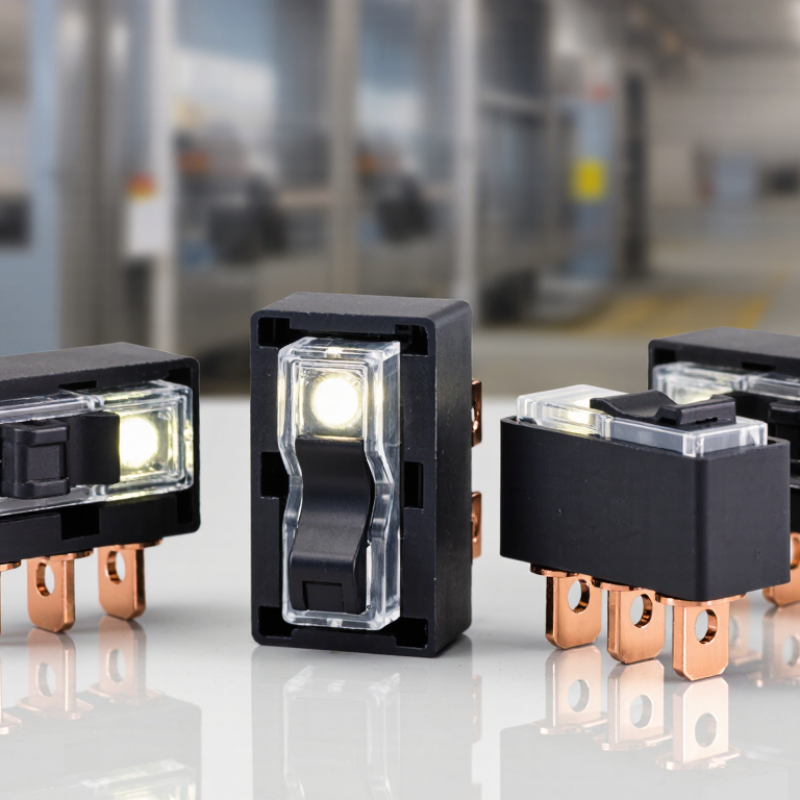
Illuminated DPDT Combines DPDT switching contacts with an indicator light. The lamp may require a separate connection or a specified supply voltage. Appliance panels, equipment controls, and enclosures where switch status needs to be visible. Check lamp voltage, wiring diagram, terminal count, panel cutout, and whether illumination indicates power or switch position.
Polarity-reversing wiring Cross-connecting the two poles can swap the positive and negative connections to a DC load. The switch itself does not determine the wiring arrangement. Reversing the direction of a compatible two-wire DC motor or changing polarity for another suitable load. Follow the load and switch wiring diagrams. Do not use this arrangement for loads that must not have their polarity reversed.
Electrical rating and installation DPDT describes the number of poles and throws, not a universal voltage or current capacity. Ratings vary by switch model and load type. Used across control panels, vehicles, appliances, and electronic equipment when the specific switch is rated for the application. Check AC or DC ratings separately, load type, inrush current, terminal style, panel dimensions, insulation, and applicable safety requirements.

Note: Actual contact arrangements, terminal numbering, ratings, and illumination wiring differ between models. Always use the manufacturer’s datasheet and wiring diagram for the selected switch.

Key Specifications and Certifications for Global Buyers

For global buyers, a DPDT rocker switch should be judged by its verified ratings, not its appearance. Check the wiring diagram, rated voltage and current, and whether ratings apply to AC, DC, or both. A switch marked 10 A at 125 V AC may not carry the same rating at 250 V AC. Also request electrical-life-cycle results, insulation resistance, dielectric-strength data, and the specified operating-temperature range. Small details matter. A terminal that fits the drawing may still be awkward to crimp on a crowded assembly line.

Certification must match the product’s end use and destination. IEC 61058-1 may apply to switches for appliances, while IEC 60529 defines IP enclosure ratings; neither label alone proves suitability for every installation. Ask for the exact standard edition, model-specific test report, and certificate scope. The IEA’s Electricity 2024 report projected global electricity demand growth of about 4% in both 2024 and 2025. That broader trend makes dependable switching components important, but it does not establish demand for DPDT switches specifically.

Tip: Compare the datasheet with the physical sample. Confirm panel cutout dimensions, actuator travel, terminal layout, and any required sealing rating. One easy oversight is treating an IP claim as protection for the complete assembled panel. Verify the test conditions—and ask an independent laboratory to clarify anything vague.

How to Evaluate a China-Based DPDT Rocker Switch Supplier

A dependable China-based DPDT rocker switch supplier should prove performance with test records, not polished catalog photos. Ask for a clear terminal diagram, rated voltage and current, load type, operating temperature, and mechanical-life results. Confirm whether the switch changes two circuits together and whether its action is break-before-make or make-before-make. Request sample measurements for contact resistance and temperature rise. IEC 61058-1 provides a useful reference for appliance-switch safety and testing; ask which edition and test conditions the supplier uses.

Check how the factory controls production. Review incoming-material checks, contact and terminal inspection, batch traceability, and corrective-action records. Ask to see a recent test report tied to the same model and configuration you plan to buy. The World Bank’s 2023 Logistics Performance Index assesses 139 economies across six dimensions, including shipment timeliness and tracking; use similar questions to examine the supplier’s delivery records, not just quoted lead times. Deloitte’s 2023 Global Chief Procurement Officer Survey reported that cost reduction was a priority for 71% of procurement leaders, but the lowest quote may hide weaker testing or inconsistent materials.

A clean brochure is not proof. Request samples from more than one production batch, then check fit, actuator feel, and terminal security in your own assembly. A spreadsheet can still miss a stiff rocker. Compare written tolerances, change-control procedures, and response times before approving a supplier. Note any gaps honestly: even a strong audit cannot guarantee every future shipment will match the sample.

How to Evaluate a China-Based DPDT Rocker Switch Supplier

A practical sample weighting for comparing suppliers. Adjust the percentages to match your product requirements; verify each criterion with specifications, test reports, samples, and factory documentation.

The weights total 100%. Prioritize electrical and safety requirements first, then assess production consistency, customization, lead time, and communication.

Sourcing, Quality Control, and International Delivery Considerations

A dependable DPDT rocker switch supplier should provide more than a low unit price. Ask for controlled drawings, declared electrical ratings, material specifications, and batch-level inspection records. For samples, check terminal fit, actuator movement, contact resistance, and performance under the intended load. Request test limits and methods, not just a pass certificate. Small details matter. A switch that feels firm on a bench may behave differently after repeated operation or installation in a warm enclosure.

Delivery planning deserves equal scrutiny. UNCTAD’s Review of Maritime Transport 2024 notes that ships carry over 80% of world trade by volume, making port delays and route changes relevant to buyers relying on ocean freight. Confirm lead times for samples and production separately, then agree on packaging that protects terminals from impact and moisture. Before shipment, match carton labels, quantities, and lot codes against the purchase documents. Ask who handles export paperwork and how shipping updates are shared. Still, a polished audit cannot guarantee every future batch will match; retain approval samples and review incoming lots against agreed criteria.