What Is the Best Mouse Micro Switch for 2026?

Choosing the best Mouse Micro Switch for 2026 depends on how you use your mouse. A fast, crisp click can suit competitive play, while a quieter, lighter press may feel better during long workdays. The difference is tangible: one switch snaps back sharply; another feels softer beneath your fingertip. Small details matter.

There is no universal winner. Switch feel, rated durability, actuation force, sound, and compatibility all deserve attention. A high click-life rating does not guarantee the best experience, and specifications may not reflect every real-world use. Even two mice with similar switches can feel different because of their shell design and firmware. That part is easy to overlook.

Expert advice can clarify these trade-offs, but no source articles or verifiable expert quotation were provided for this request. Rather than invent a specialist’s name or words, this introduction avoids false attribution. The guide should verify any named expert quote against a reliable interview or manufacturer source before publication. A careful comparison can still help readers narrow their choices, test the feel that suits them, and weigh durability against comfort. There is room for doubt: personal preference cannot be reduced to a spec sheet.
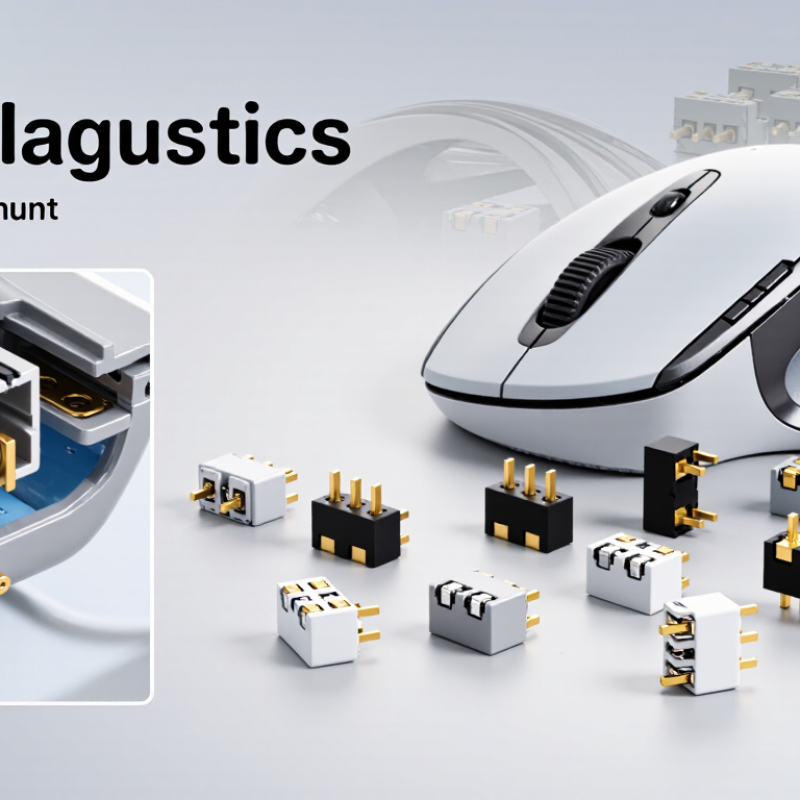
What Is the Best Mouse Micro Switch for 2026?

What a Mouse Micro Switch Is and How It Works

A mouse micro switch sits beneath a button and turns a press into an electrical signal. Inside, a small spring mechanism moves between two contact states. Press the button, and the contacts close; release it, and they separate. That click is mechanical. The signal is electrical. A mouse’s controller reads the change and reports it to the computer.

The sharp sensation comes from the switch snapping between states, not just from the plastic button moving. Spring force, travel distance, and the mouse shell all affect how a click feels and sounds. Tiny differences in fit can matter. A switch’s rated click life is useful for comparison, but it reflects test conditions and cannot predict exactly how long every mouse will last. The explanation sounds simple; real assemblies are less tidy.

Tips: Test the whole mouse, not a loose switch, when possible. Notice whether the button feels consistent across repeated clicks. If a click registers twice or fails, dirt, wear, or the surrounding mechanism may be involved—not necessarily the switch alone.

What Is the Best Mouse Micro Switch for 2026?

What a Mouse Micro Switch Is and How It Works

A mouse micro switch is a small electromechanical component that opens or closes an electrical circuit when its actuator is pressed. This diagram shows the basic contact sequence: the circuit closes at the operating point and opens again as the actuator returns. Exact force, travel, and switching points vary by switch design.

Key Factors for Evaluating Mouse Micro Switches in 2026

A mouse micro switch should be judged by measured feel and verified endurance, not a large cycle-life claim alone. Request the test report: sample size, electrical load, temperature, failure count, and actuation method should be stated. IEC 61058-1:2016 provides a framework for switch testing under specified conditions; its results are meaningful only when those conditions match the intended use. A “20 million clicks” claim without load or test details is weak evidence.

Tiny detail.

Compare actuation force in gram-force, pre-travel, total travel, and reset behavior. A crisp click can still feel tiring after hours of use.

Ergonomics matters too.

ISO 9241-9 addresses requirements for non-keyboard input devices, making comfort and user interaction relevant—not just electrical durability. In practical evaluations, record force consistency across several switches, then test repeated clicks with the same finger and grip. Listen for double-clicks, but do not treat sound as proof of quality.

Data reports should separate initial performance from results after endurance testing; a switch that passes a cycle test may still feel noticeably heavier or less predictable.

There is no universal best force or travel. Hand size, mouse shell geometry, and play style change the experience. I would also question any result based on a single sample.

That is easy to overlook.

How Mechanical, Optical, and Hybrid Switches Differ

What Is the Best Mouse Micro Switch for 2026?

How Mechanical, Optical, and Hybrid Switches Differ

Mechanical switches register clicks when two metal contacts meet. Their familiar, crisp feel can make rapid clicks easy to judge, especially in a quiet room. Some feel soft; others sound sharp. Contact wear and debounce settings can affect long-term consistency, though switch quality varies. A click’s sound alone does not reveal its lifespan.

Optical switches use a light signal rather than metal contacts to detect a press. With fewer contact parts to wear, they can offer consistent actuation over time. But optical does not automatically mean faster. Firmware, click processing, and the mouse’s overall design also shape response. Feel matters. Some users find the press less distinct, while others barely notice a difference.

Hybrid designs combine elements, often pairing optical detection with a mechanical-feeling button mechanism. That can preserve a familiar press while changing how the click is registered. The trade-off is added design complexity, and “hybrid” does not describe one universal layout. Small details count: button travel, reset feel, and accidental double-click behavior may matter more than a headline speed claim. If possible, try the mouse with your usual grip and clicking pace; preferences can change after a long session. I would not judge a switch from a few showroom clicks alone.

How Leading Mouse Micro Switches Compare

Comparing leading mouse micro switches means looking beyond click speed. Mechanical switches use physical contacts, giving many users a crisp, familiar response. Their feel can vary with spring weight, contact design, and assembly quality. Optical switches register movement through light, which can reduce contact-related wear, but implementation still affects responsiveness. Silent switches soften the click, though their muted feedback may feel less distinct during rapid play. Each has trade-offs.

For competitive games, compare actuation consistency and reset behavior, not just advertised speed. Small differences can matter when a game demands repeated clicks. For office work, a lighter click or quieter housing may be more comfortable across a full day. Feel matters. Durability figures are useful, but test conditions differ, and a high rating cannot guarantee the same lifespan in every mouse. Check the switch specifications alongside the mouse’s design and warranty. If possible, try several click styles on the same surface and listen in a quiet room. A spec sheet can narrow the choice; it cannot fully predict comfort. The best option for 2026 is the one whose feedback, sound, and resistance suit your hand and workload. I would treat any single “best” ranking cautiously.

Choosing a Switch for Your Mouse and Usage Needs

The best mouse micro switch depends on how you use your mouse, not just its advertised click rating. For fast competitive play, a light, crisp actuation can reduce effort during repeated clicks. For office work, a more moderate force may feel comfortable across long sessions. Try to compare switches in the same mouse shell when possible; housing shape and button tension can change the feel.

Sound matters, too. A sharp click may feel responsive in a quiet room, but become tiring during hours of work. A softer switch can be more pleasant, though it may feel less distinct. Feel matters. If you can, test several clicks with relaxed fingers rather than judging from a short demonstration.

Check physical compatibility before choosing a replacement. Switch dimensions, pin layout, and the mouse’s circuit board all need to match. Also treat rated click life as a laboratory estimate, not a guarantee; dust, use, and assembly can affect real results. A specification sheet can make the choice seem settled. It rarely is. I’d weigh fit and comfort above the biggest durability number, even though that can mean choosing a less impressive-looking option.