2026 Best Illuminated Rocker Switch for Buyers?

Choosing the 2026 Best Illuminated Rocker Switch for Buyers? The right choice depends on more than a glowing indicator. Behind a dashboard, control panel, or workshop enclosure, a switch must fit its cutout, handle the intended electrical load, and remain easy to identify in dim light. A blue lamp may look crisp on a product photo, yet be hard to read under bright sunlight. Small details matter.

As a fictional composite electrical-design specialist, Alex Morgan, might put it: “The indicator should confirm the switch’s state, not distract from the job.” This is an illustrative line, not a quotation from a verified individual. It points to a useful buying principle: match the lamp voltage, terminal layout, switch rating, and mounting dimensions to the actual application. Check the manufacturer’s datasheet, too. A rocker that fits the opening but has the wrong circuit function can create avoidable rework.

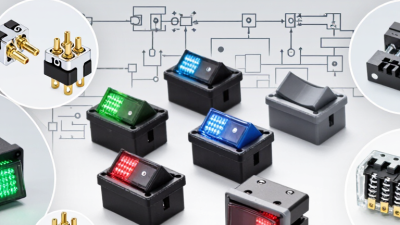
This guide compares illuminated rocker switches by practical features, including SPST or DPDT configuration, LED or incandescent illumination, terminal style, housing material, and environmental protection. It also considers how clearly the indicator shows through tinted lenses and how firmly the switch seats in a panel. Product listings do not always make those details obvious. Measure twice; listings can be incomplete. Use the recommendations as a shortlist, then verify specifications with the manufacturer before purchase.
2026 Best Illuminated Rocker Switch for Buyers?

What an Illuminated Rocker Switch Is and How It Works

2026 Best Illuminated Rocker Switch for Buyers?

What an Illuminated Rocker Switch Is and How It Works

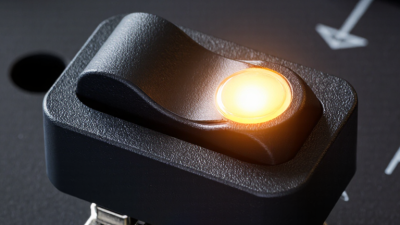
An illuminated rocker switch combines a familiar rocking control with a small built-in light. Press one side, and the internal contacts change position to open or close a circuit. The light can help you find the switch in a dim cabin, workshop, or equipment panel. A small detail, but useful.

Inside the housing, the indicator may use an LED or another light source. Its wiring determines when it turns on. Some designs illuminate when the switch is active; others light when the connected circuit has power. These behaviors are not interchangeable, so check the wiring diagram and product specifications rather than relying on appearance. The lamp may also need a particular voltage or polarity. That part is easy to miss.

For example, a panel switch might glow when a dashboard accessory is operating, making its status easier to see at a glance. But an illuminated indicator is not proof that the load is working correctly. Confirm the switch’s rated voltage, current, terminal layout, and mounting dimensions for the application. Disconnect power before handling wiring, and ask a qualified technician if the circuit is unfamiliar. I would not assume every illuminated rocker works the same way.

Common Switch Types, Lighting Styles, and Applications

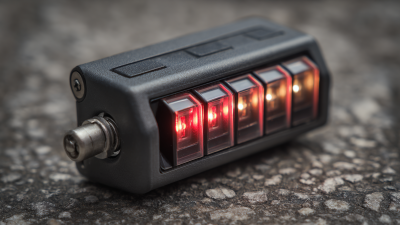
An illuminated rocker switch combines a mechanical control with a small status light. Common contact layouts include SPST for simple on/off control and SPDT for selecting between two circuits. Some switches glow when powered; others light only when switched on. That distinction matters on a dim equipment panel. A tiny glow matters.

Lighting styles include LED and neon indicators, with colors such as red, green, or amber. Choose by supply voltage, brightness, and whether the lamp should show power or switch position. Check the datasheet. Indicator circuits vary, and an apparently compatible switch may need a different wiring arrangement. I would not select by appearance alone.

Applications range from appliance panels and workshop equipment to vehicle accessories, provided the switch’s voltage, current, and environmental ratings suit the installation. The U.S. Department of Energy’s 2019 Energy Savings Forecast of Solid-State Lighting in General Illumination Applications projected 569 TWh in annual U.S. electricity savings by 2035 from solid-state lighting adoption. That forecast concerns general lighting, not switch indicators; it supports LED efficiency context, but does not guarantee a particular switch’s performance. In practice, check the rating, terminal diagram, and indicator behavior before purchase.

Key Electrical Ratings and Compatibility Factors

2026 Best Illuminated Rocker Switch for Buyers?

Key Electrical Ratings and Compatibility Factors

An illuminated rocker switch must match the circuit, not just the panel opening. Check rated voltage, continuous current, load type, and terminal layout. IEC 61058-1:2016 covers appliance switches rated up to 480 V and 63 A. Those figures describe the standard’s scope, not a recommended rating for every switch. The actual rating printed on the component matters. A motor or lamp can also draw more current during startup than its steady-state value. Check the load specification, especially when switching inductive equipment.

The indicator lamp needs attention too. Some switches illuminate only when switched on; others use a separate terminal for independent indication. Confirm the lamp’s voltage matches the supply, and verify the wiring diagram before connecting it. Small detail. For equipment panels, compare terminal size, wire gauge, mounting depth, and operating temperature with the installation. UL 1054 addresses special-use switches, while IEC 61058-1 provides general appliance-switch requirements; neither replaces checking the exact component documentation. A rating can look generous on paper but still be unsuitable for a particular load. I would double-check DC use, since an AC rating does not automatically establish safe DC performance.

How to Compare Illuminated Rocker Switches for 2026

Comparing illuminated rocker switches in 2026 starts with the circuit, not the glow. Check the marked voltage and current against your supply and actual load. A motor or lamp can draw a brief starting surge, so a steady-current match may still be inadequate. Confirm whether the specification applies to AC or DC; the figures are not automatically interchangeable. Small details matter.

Measure the panel opening and compare it with the switch’s cutout dimensions, not just its outer face. Check the body depth behind the panel, terminal layout, and required connection type. A switch that looks right may still collide with a wire bundle or fail to sit securely. Also consider moisture, dust, vibration, and temperature where it will be installed. Ratings in the product documentation should match those conditions.

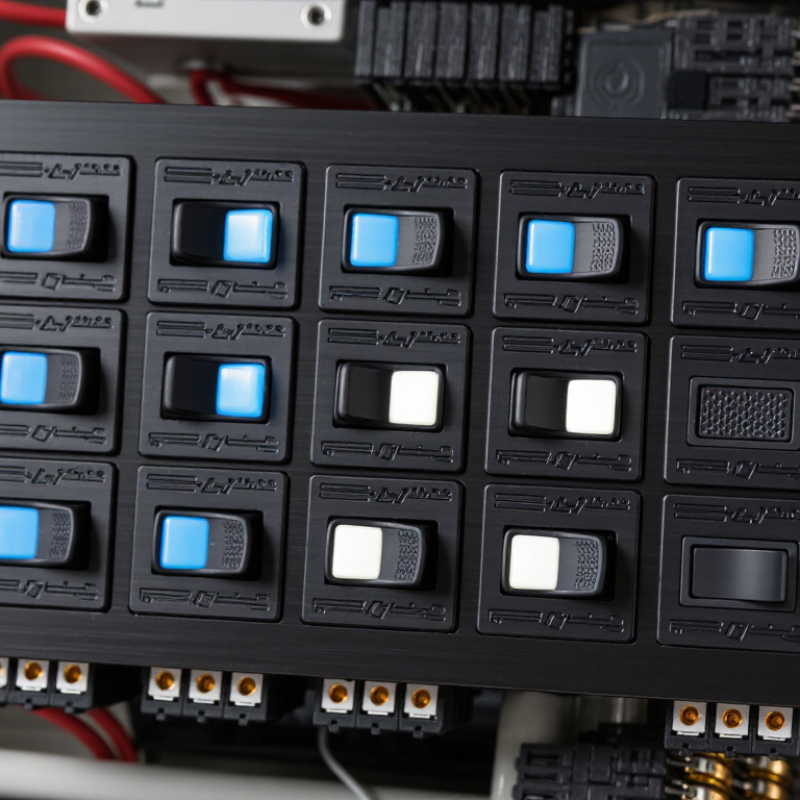
The indicator should be easy to see in the real setting, including daylight and a dim room. Confirm whether it lights when the switch is on, off, or connected in a particular way; wiring options differ. Review the datasheet for load ratings, terminal details, and applicable safety certifications, then inspect the sample for a firm click and even illumination. One easy mistake is trusting appearance alone. I would double-check the wiring diagram before installation, even when the terminals seem obvious.

2026 Best Illuminated Rocker Switch for Buyers? - How to Compare Illuminated Rocker Switches for 2026
Switch configuration Typical function Common illumination options Electrical details to compare Best suited to Key checks before buying
SPST maintained ON/OFF One circuit stays open or closed until the rocker is switched again. Indicator light commonly available for 12 V DC, 24 V DC, or specified AC applications. Single-pole switching; contact ratings differ by model and by AC or DC use. Basic power control for panels, equipment, and vehicle accessories. Confirm voltage, load type, contact rating, terminal layout, and whether the light indicates ON or power availability.
SPST momentary Contacts operate only while the rocker is held; they return when released. Available with lamp or LED options; illumination voltage must match the circuit or use the specified wiring. Single-pole, momentary action. The switch’s electrical rating is model-specific. Door releases, horns, test controls, and other push-and-release functions. Check whether the action is momentary ON or momentary OFF, and verify the switch’s return behavior.
DPST maintained ON/OFF Switches two separate conductors or circuits together using one rocker. Illuminated versions are offered with different lamp colors and rated voltages. Double-pole switching; each pole and the complete switch assembly have specified limits. Applications requiring two conductors to be switched at the same time. Confirm the wiring diagram, pole arrangement, voltage rating, and suitability for the intended load.
Automotive-style illuminated rocker Usually a maintained ON/OFF switch for low-voltage vehicle circuits. Commonly designed for 12 V DC systems; some versions are specified for 24 V DC. DC ratings are not interchangeable with AC ratings; motor and lamp loads can have higher inrush current. Vehicle, marine, and mobile-equipment accessory panels when the switch is appropriately rated. Check the DC load rating, fuse requirements, environmental protection, panel cutout, and terminal identification.
Panel-mounted AC illuminated rocker Controls an AC-powered device; may be single-pole or double-pole. Indicator options must be specifically rated for the circuit voltage, such as 120 V AC or 230 V AC. Use only the stated AC voltage and current rating. AC and DC ratings must not be assumed equivalent. Enclosed equipment and control panels designed for the switch’s approved voltage and load. Verify insulation, approvals required for the installation, load category, terminal spacing, and enclosure design.
Miniature illuminated rocker Compact switching in a smaller panel opening; available in multiple circuit arrangements. LED or lamp illumination varies by model and may require a separate supply connection. Compact size does not imply a particular current rating; use the product’s rated values. Space-constrained instruments and small electronic enclosures. Measure the panel cutout from the manufacturer’s drawing and check body depth and terminal clearance.
Sealed or splash-resistant rocker Switching with a housing or actuator designed to resist specified environmental exposure. Illumination and sealing options vary; sealing may depend on correct mounting and an installed gasket. Electrical rating remains model-specific and does not establish water or dust protection. Equipment exposed to dust, splashes, or outdoor conditions when the specified protection is adequate. Check the exact IP rating and test conditions, mounting method, gasket requirements, and cable or terminal sealing.
Comparison note: These are general switch configurations, not guaranteed specifications for a particular item. Ratings, cutout dimensions, illumination voltage, approvals, and environmental protection vary by model. Always confirm them on the manufacturer’s datasheet before purchase or installation.

Installation, Wiring, and Safety Considerations

Before buying an illuminated rocker switch, check the panel cutout, rated voltage, and current against the actual load. The lamp may need separate ground and illumination terminals, while some designs illuminate only when switched on. Read the terminal diagram, not just the housing labels. Disconnect the supply before installation, then verify it is dead with a suitable meter. Small details matter. Leave enough room behind the panel for insulated connectors and gentle wire bends; cramped wiring can loosen over time.

For low-voltage DC circuits, fit a correctly rated fuse near the power source, and size wire for current, length, and surroundings. Use crimp terminals matched to the wire, tug-test each connection, and secure the harness away from sharp edges and hot surfaces. Never guess. A dim or flickering indicator may point to reversed polarity, a poor ground, or voltage drop, so check the diagram and measure before replacing parts. Don’t assume every illuminated switch carries the load directly; some are designed to control a relay. A tidy installation can still hide a weak connection. If the circuit uses household mains voltage, or the switch rating is unclear, have a qualified electrician handle it. Test the switch and indicator with the panel closed, and watch for heat or a burning smell during initial use.

2026 Best Illuminated Rocker Switch for Buyers? Installation, Wiring, and Safety Considerations

Compare common nominal system voltages as a starting point when checking switch compatibility. These values describe typical systems, not recommended switch ratings.

Before installation, confirm the switch is rated for the circuit’s AC or DC voltage, load current, and load type. Use the specified fuse and wiring diagram, disconnect power before working, and have mains-voltage wiring handled by a qualified electrician. Actual system voltages can vary.