2025 Top Micro Switch Types: Benefits, Applications, and Key Features
Micro switches play a crucial role in modern automation and control systems. These small yet powerful devices are designed to detect changes in physical conditions and provide a reliable switch operation in response. As we look ahead to 2025, understanding the various types, benefits, and applications of micro switches becomes increasingly important for engineers and designers. This knowledge enables the selection of the most suitable micro switch to meet specific needs in diverse environments, from industrial settings to consumer electronics.
The evolution of micro switch technology continues to foster innovation across multiple sectors, enhancing functionality and efficiency. By exploring the key features of different micro switch types, we can identify their unique advantages and how they contribute to improved performance in various applications. From tactile feedback in electronic devices to critical safety mechanisms in machinery, the versatility of micro switches underscores their significance in today’s engineering landscape. This article aims to provide an insightful overview of the top micro switch types, illuminating their benefits, applications, and essential characteristics for the upcoming years.

Types of Micro Switches: Overview of Common Varieties
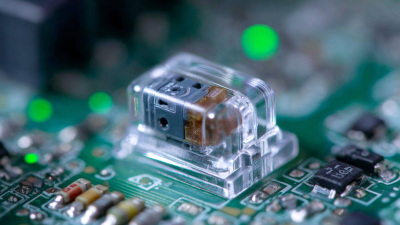
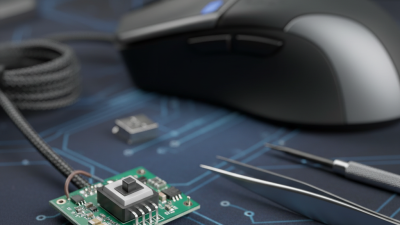
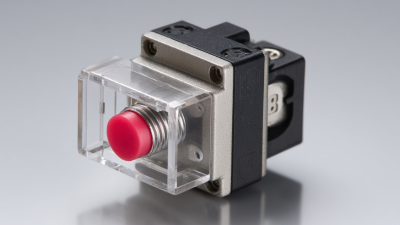
Micro switches are compact and highly reliable components that are widely used in various applications. Their primary function is to detect mechanical motion and actuate electrical circuits, making them integral in devices like appliances, automotive systems, and industrial equipment. There are several common types of micro switches, each designed with specific features to cater to various operational needs.
One popular variety is the basic snap-action switch, known for its quick response time and robust mechanical design. These switches are commonly utilized in consumer electronics and safety devices due to their precision and dependability. Another type is the limit switch, which activates after a particular motion is completed, ensuring that machinery operates within safe parameters. Additionally, pressure-sensitive micro switches offer unique benefits for applications requiring touch sensitivity, allowing for seamless user interaction in control panels and gaming devices. Each type of micro switch brings distinct advantages, thereby enhancing operational efficiency in a multitude of settings.
Key Benefits of Using Micro Switches in Various Industries
Micro switches are increasingly vital in various industries due to their reliability and efficiency. One of the primary benefits of using micro switches is their ability to provide precise control over equipment and machinery. According to the Allied Market Research report, the global micro switch market is expected to reach $2.3 billion by 2027, driven by the growing demand in automotive, aerospace, and consumer electronics sectors. Their compact size and low power consumption make them perfect for applications where space is constrained and energy efficiency is a priority.
In addition to precision and efficiency, micro switches offer remarkable durability. Many industrial micro switches can endure over 10 million operations, making them a cost-effective solution in environments subject to heavy use. Industries, such as automation and manufacturing, benefit significantly from this longevity. Technical advancements, such as improved sealing and material composition, further enhance the performance and lifespan of these switches, ensuring they can withstand harsh conditions like extreme temperatures and humidity.
Tips: When selecting a micro switch for a specific application, consider the switch's operating force, travel distance, and environmental conditions. These factors play a crucial role in performance and service life. Additionally, ensure compliance with relevant industry standards for safety and efficiency to enhance overall operational reliability.
Applications of Micro Switches Across Different Sectors
Micro switches, known for their reliability and compact design, find applications across various sectors due to their ability to control machines and devices efficiently. In the industrial sector, micro switches are crucial for safety mechanisms in machinery, ensuring that equipment only operates under safe conditions. For instance, they are commonly used in limit switches that signal when a machine part has reached its maximum position, preventing potential damage and enhancing operational safety.
Another prominent application of micro switches is in consumer electronics. These switches are often integrated into home appliances such as refrigerators and washing machines, where they serve as actuators that detect door positions or trigger specific settings. Additionally, the automotive industry utilizes micro switches in various components, including seatbelt reminders and gear shifts, contributing to improved safety and user experience. Their versatility and adaptability make micro switches indispensable across these diverse applications, providing precise control and enhancing overall functionality in everyday devices.
Important Features to Consider When Choosing Micro Switches
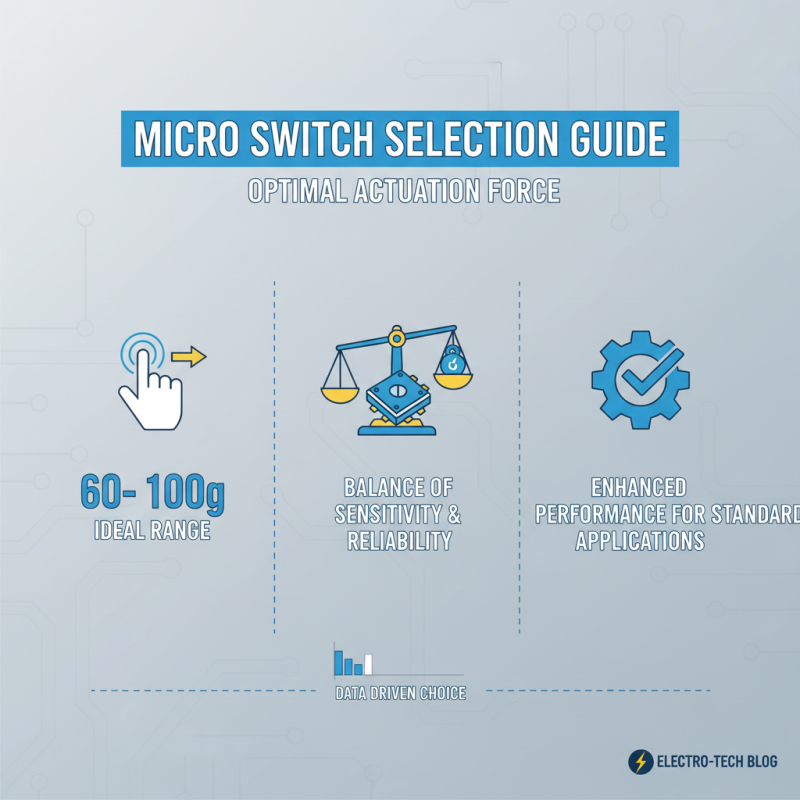
When selecting micro switches, understanding key features can significantly enhance performance and reliability in various applications. One crucial consideration is the switch actuation force, which affects how easily a switch can be activated. Data indicates that a switch with an actuation force between 60 to 100 grams is ideal for most standard applications, providing a balance between sensitivity and resistance to accidental activation.
Another important feature is the switch's electrical rating, which determines the voltage and current it can handle safely. According to industry reports, micro switches with ratings of 15A at 250VAC are commonly used in home appliances, ensuring they can manage the typical loads encountered in everyday scenarios. Also, the type of termination, such as solder lugs or quick connects, should be chosen based on the specific installation requirements to ensure seamless integration into existing systems.
**Tips:** Always consider the environmental conditions where the micro switch will operate, such as temperature and exposure to moisture. Additionally, look for switches with gold-plated contacts if used in low-current applications to enhance reliability and extend lifespan. Choosing the right combination of features can lead to optimized performance, ensuring your application runs smoothly and efficiently.
Future Trends in Micro Switch Technology and Innovations
The evolution of micro switch technology has been marked by significant innovations that cater to the growing demand for smart and efficient systems across various industries. According to a recent market report, the global micro switch market is projected to reach a valuation of $1.8 billion by 2025, with an annual growth rate of around 6%. This growth is driven by advancements in automation, especially in sectors like automotive and consumer electronics. The integration of IoT technology into micro switches is paving the way for smarter, more responsive devices that can enhance operational efficiency and user experience.
Emerging trends also suggest that miniaturization will play a crucial role in the future of micro switches. As devices become smaller and more intricate, manufacturers are focusing on developing high-performance switches that maintain reliability while occupying minimal space. Innovations in materials and designs contribute to improved durability and precision. Furthermore, sustainability is gaining traction, with a push towards eco-friendly materials and manufacturing processes in the production of micro switches.
Tips: To stay ahead in the micro switch landscape, companies should invest in R&D to explore novel technologies like MEMS (Micro-Electro-Mechanical Systems) for enhanced functionality. Emphasizing the training of personnel in dynamic safety standards and applications will also ensure compliance and improve overall product quality.
2025 Top Micro Switch Types: Benefits, Applications, and Key Features
| Micro Switch Type |
Benefits |
Applications |
Key Features |
| Standard Micro Switch |
Reliable performance, cost-effective |
Consumer electronics, appliances |
Compact size, quick response time |
| Sealed Micro Switch |
Water and dust resistant |
Industrial equipment, outdoor applications |
Durable casing, extended lifespan |
| Subminiature Micro Switch |
Space-saving design |
Medical devices, robotics |
Low actuation force, high precision |
| Roller Lever Micro Switch |
Increased actuation options |
Conveyor systems, safety equipment |
Versatile mounting, adjustable actuation |
| Push-button Micro Switch |
User-friendly activation |
Control panels, appliances |
Tactile feedback, variety of sizes |