

Top 10 Latching Push Button Switch Options for Your Projects?
In the world of electronics, the Latching Push Button Switch is a critical component in various applications. According to a recent market analysis by Smith & Associates, the demand for these switches is expected to grow by 12% annually over the next five years. This growth highlights their importance in both consumer products and industrial machines.
Expert Sarah Johnson, a leading figure in the switch manufacturing industry, emphasizes the versatility of Latching Push Button Switches. She states, “The shift to automation makes reliable controls essential.” This quote reflects the growing reliance on these switches in modern technology.
Despite their benefits, many designers overlook the nuances of choosing the right switch. Selecting a latching switch involves understanding circuit configurations and user interface requirements. It's crucial to consider factors like durability and responsiveness. The choices can be overwhelming, as options abound. However, being informed can lead to better decision-making. The right Latching Push Button Switch can enhance functionality and user experience significantly.
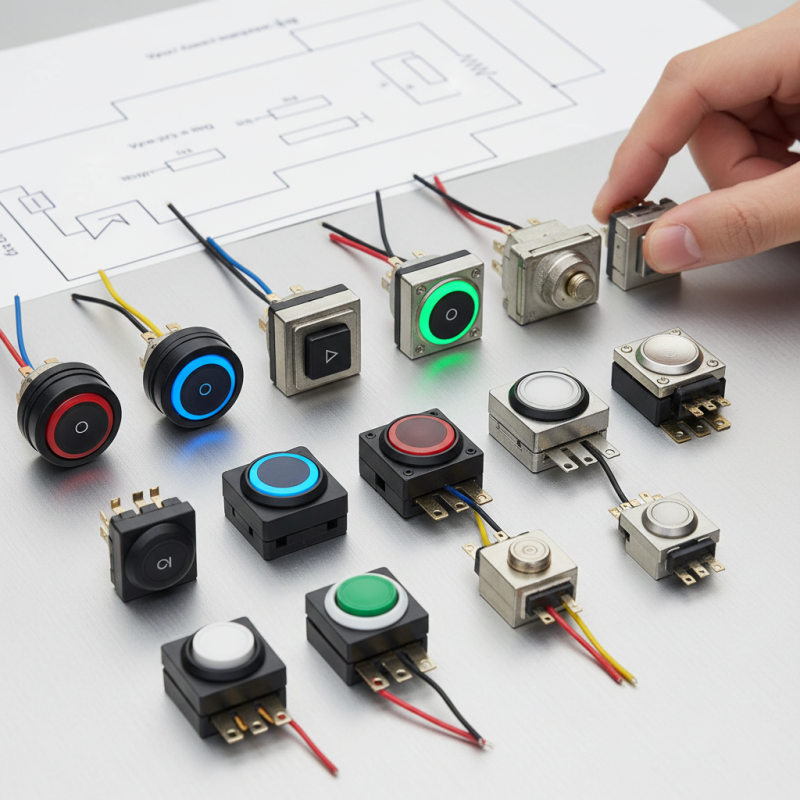
Understanding Latching Push Button Switches and Their Applications
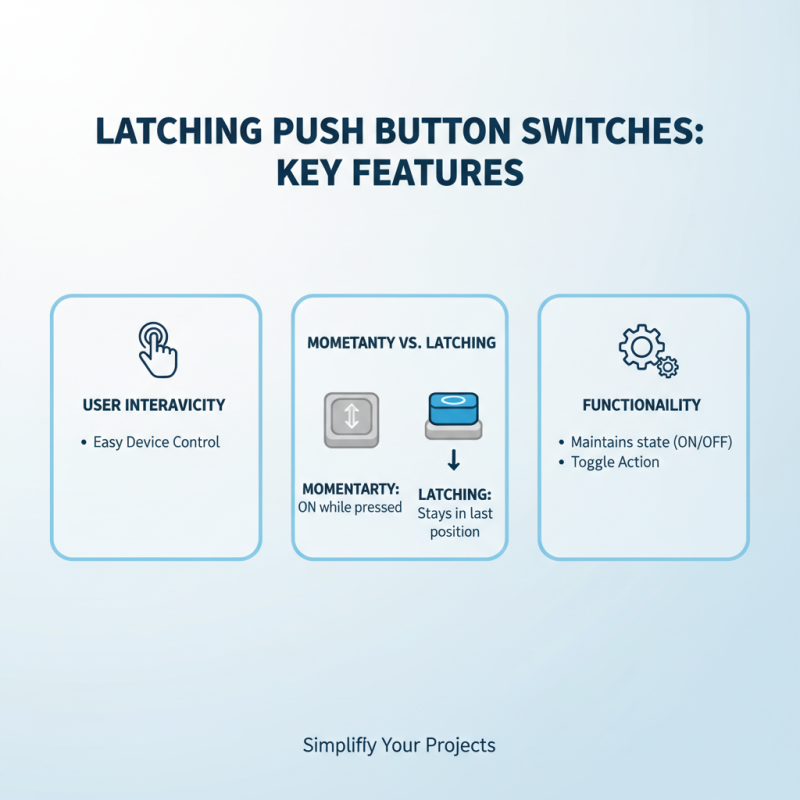
Latching push button switches are essential in many electronic projects. They provide a simple on/off mechanism. These switches maintain their state after being pressed, making them ideal for applications like lighting and control panels. Understanding their function helps designers choose the right type. However, not all latching switches are created equal. Some may feel flimsy or unresponsive, leading to frustration during use.
Consider the applications you need. For instance, a switch in a hobby robot should be durable. The feel of the button matters as well. A poorly designed switch may cause misfires, complicating your project. Experimenting with different types can be enlightening, but it might take several attempts to find the right one. Documents can provide specifications, but real-world testing reveals much more.
Many users overlook the importance of size and mounting options. A switch that fits perfectly in one scenario might not work in another. Balancing functionality with design can sometimes be challenging. Reflecting on past projects, it's clear that even small details can make or break a build. The right latching push button switch can transform a project, but choosing wisely requires thought.
Top 10 Latching Push Button Switch Options for Your Projects
| Switch Type | Voltage Rating | Current Rating | Mounting Type | Material | Application |
|---|---|---|---|---|---|
| Metal Push Button | 12V | 10A | Panel Mount | Stainless Steel | Industrial Equipment |
| Plastic Push Button | 24V | 5A | Panel Mount | Plastic | Consumer Electronics |
| Waterproof Push Button | 12V | 8A | Panel Mount | Rubber | Outdoor Lighting |
| Illuminated Push Button | 5V | 2A | Panel Mount | Plastic | Control Panels |
| Tactile Push Button | 3.3V | 0.5A | Surface Mount | Plastic | Embedded Systems |
| High Current Push Button | 48V | 30A | Panel Mount | Metal | Automotive Applications |
| Mini Push Button | 12V | 3A | Surface Mount | Plastic | Portable Devices |
| Rocker Push Button | 120V | 15A | Panel Mount | Plastic | Household Appliances |
| Sealed Push Button | 12V | 10A | Panel Mount | Metal | Industrial Machinery |
Related Posts
-
Discovering Top Quality Suppliers for Best Push On Off Switches Your Comprehensive Guide
-
Unleashing Excellence: Premium Micro Switch Push Buttons from China for Global Buyers
-

7 Tips for Choosing the Best Push Button On Off Switch for Your Application
-

Understanding the Mechanism: What is a Latching Push Button Switch and Its Applications
-

7 Essential Tips for Choosing the Right Latching Push Button Switch
-

Illuminate Your Control Experience with the Advantages of Illuminated Push Buttons for Enhanced Safety