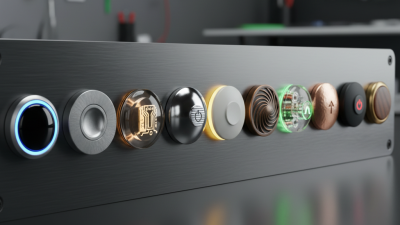
What is a Push Button Switch and How Does It Work in Modern Electronics
In modern electronics, the push button switch plays a crucial role, serving as a fundamental interface for user interaction. This simple yet effective device allows users to control various electronic functionalities with just a press of a button, making it an indispensable component in countless applications, from household appliances to complex industrial machinery. The functionality of a push button switch is based on its ability to create or break an electrical circuit, enabling or disabling the flow of current with ease.
The design and operation of a push button switch are versatile, encompassing a range of styles including momentary and latching types. Momentary switches only remain in the "on" position while pressed, while latching switches maintain their state until pressed again. This versatility allows for customization in countless electronic designs, from basic on/off controls to advanced input methods in sophisticated devices. Understanding how push button switches work is essential for those involved in electronics, as they serve as a gateway for user input, bridging the gap between human commands and machine responses in an increasingly interconnected world.

What is a Push Button Switch?
A push button switch is a widely utilized component in modern electronics that functions as a simple yet effective mechanism for controlling electrical circuits. This device operates through a momentary or maintained contact, allowing users to initiate or interrupt the flow of electricity with a single press. According to a report by MarketsandMarkets, the global push button switch market was valued at approximately $3.1 billion in 2020 and is expected to reach $4.4 billion by 2025, reflecting a significant compound annual growth rate (CAGR) of around 7.6%. This growth underscores the increasing demand for user-friendly interfaces in various applications, from consumer electronics to industrial machinery.
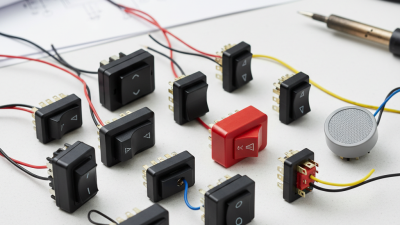
The design of push button switches can vary significantly, encompassing different shapes, sizes, and actuation types. Many push button switches feature tactile feedback, offering users a physical response that confirms their action during operation. Furthermore, innovations in materials and technologies have led to the development of robust waterproof and dustproof models, suitable for harsh environments.
Industry analysts project that the rise of automation and smart technology will further drive the adoption of push button switches, as they are integral to user interfaces in smart devices, medical equipment, and automotive systems, highlighting their versatility across multiple sectors.
History and Evolution of Push Button Switches
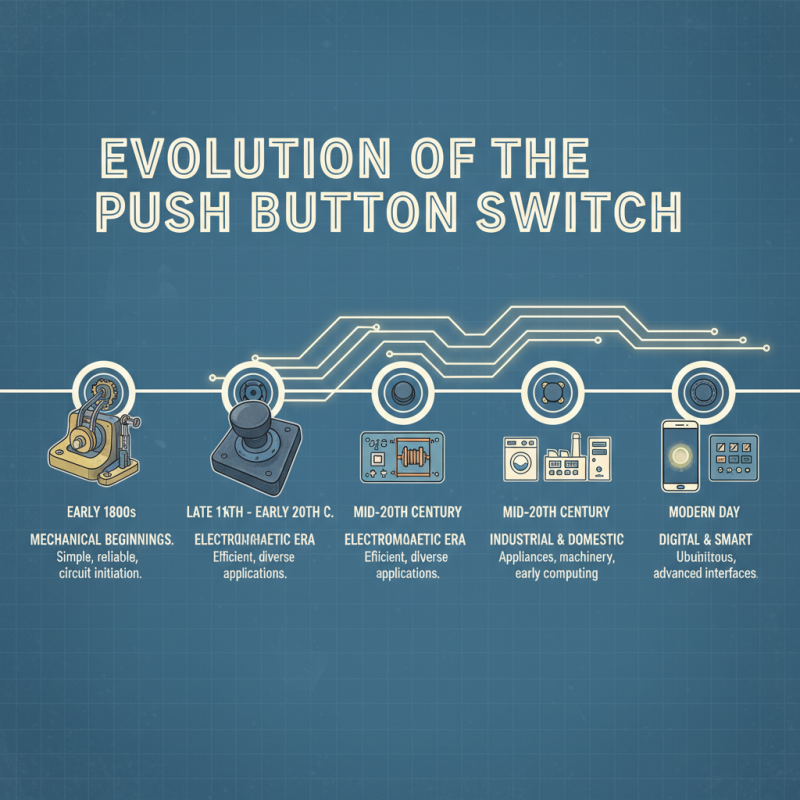
The history of push button switches dates back to the early 19th century when the first mechanical buttons were developed as part of various electromechanical devices. These early switches were simple but revolutionary, allowing for a reliable way to initiate electrical circuits. As technology advanced, push button switches evolved, transitioning from mechanical designs to more complex electromagnetic versions. This evolution allowed for more efficient operation in a variety of applications, from household appliances to industrial machinery and early computing devices.
In the latter half of the 20th century, the design of push button switches saw further innovations with the advent of modern materials and microelectronics. The introduction of membrane switches and tactile feedback systems improved user interaction, making them more intuitive and user-friendly. Push button switches became integral in various sectors, including telecommunications, automotive, and consumer electronics, reflecting an era that values seamless integration of technology into daily life.
Tips: When selecting a push button switch for your project, consider the environmental conditions it will face, such as temperature and moisture. Choosing a switch rated for the specific conditions can greatly enhance its longevity and reliability. Additionally, pay attention to the feedback mechanism. Tactile or audible feedback can significantly improve user experience, ensuring that users can confidently know when an action has been successfully executed.
Types of Push Button Switches in Modern Electronics
Push button switches play a crucial role in modern electronics, primarily serving as simple yet effective user interface devices. They come in various types, each designed to cater to specific functionality and application requirements. Among these, the momentary push button switch is the most common type, used widely in devices for initiating actions without maintaining a continuous connection. According to industry reports, the global market for push button switches is expected to grow at a CAGR of approximately 4.5% from 2023 to 2030, driven by the increasing integration of electronic devices in everyday life.
Another notable category is the latching push button switch, which retains its position once pressed, until subsequently pressed again to reset. This type is often found in applications like power controls for appliances, where the switch state needs to be maintained without continuous pressure. Additionally, illuminated push button switches have gained popularity, particularly in applications requiring visual feedback, such as in gaming devices and control panels. A comprehensive analysis indicated that illuminated switches represented about 25% of the push button switch market in 2022, highlighting consumer preference for enhanced functionality and usability in product design.
Moreover, tactile push button switches are favored in applications where tactile feedback is essential for user interaction, such as in remote controls and keyboard inputs. As manufacturers continue to innovate, these variations cater to the growing demand for user-friendly electronic devices, reflecting technological advancements in industries such as automotive, consumer electronics, and industrial automation.
How Push Button Switches Operate and Their Mechanisms
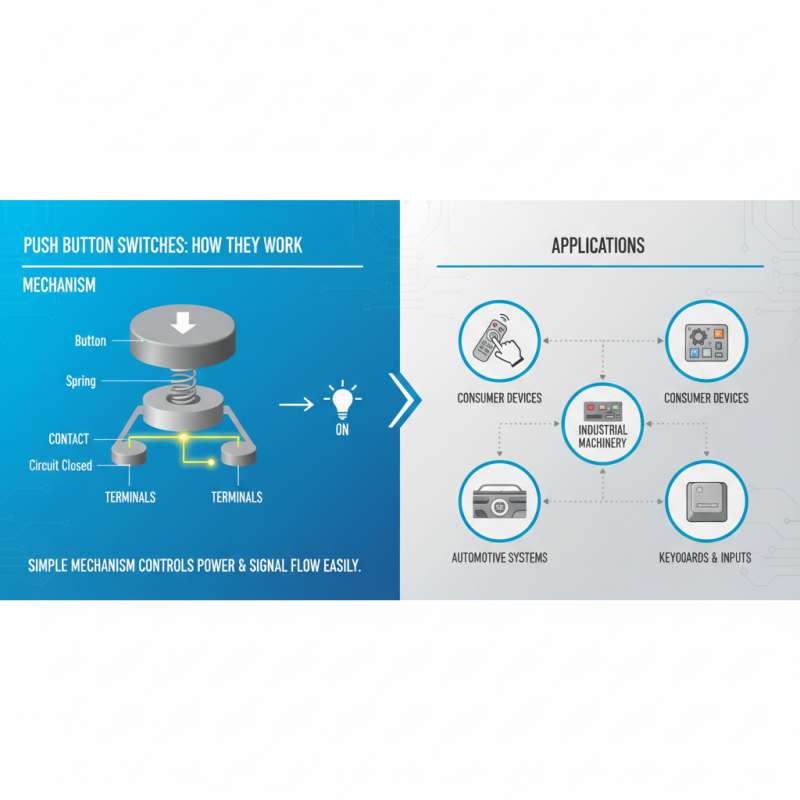
Push button switches are integral components in modern electronics, serving a wide range of applications from consumer devices to industrial machinery. These switches operate through a simple yet effective mechanism that allows users to control power and signal flow with ease. When a user presses the button, it mechanically completes a circuit, allowing electrical current to flow through. This action can either turn a device on or off or perform specific functions depending on the design of the circuit in which the switch is integrated.
The mechanisms of push button switches can vary, with two of the most common types being momentary and latching switches. Momentary switches only maintain the electrical connection while the button is pressed, making them ideal for applications such as doorbells or soft switches in keyboards. Conversely, latching switches maintain their state after being pressed, providing a more permanent solution until the button is pressed again. Inside these switches, various mechanisms, such as dome switches or mechanical levers, facilitate the triggering action, ensuring reliability and longevity in their operation. This versatility and simplicity make push button switches essential for seamless interaction within a multitude of electronic devices.
Applications of Push Button Switches in Everyday Devices
Push button switches are integral components found in a plethora of everyday devices. These simple yet effective switches play a crucial role in controlling electronic circuits, from household appliances to sophisticated machinery. Common applications include everything from light fixtures and home appliances to gaming consoles and computers. In many devices, push buttons serve as the primary interface, allowing users to initiate functions with a simple press, making them essential for ease of use.
In smartphones and tablets, push button switches are often employed for power, volume control, and navigation purposes. They provide tactile feedback, enhancing user experience by allowing individuals to interact with their devices intuitively. Similarly, in industrial settings, push buttons are vital for machinery control, facilitating operators to start or stop processes quickly and safely. This versatility demonstrates the importance of push button switches across various sectors, highlighting their continued relevance in modern technology.
Tip: When selecting a push button switch for your project, consider its rated voltage and current to ensure compatibility with your application. Additionally, assess the desired tactile feedback—options range from soft-touch to clicky responses—to match the user experience you aim to achieve.