What is a Push Button Switch and How Does It Work?
A Push Button Switch is a fundamental component used in various electronic devices. Its simplicity belies its importance in control systems. This switch can be found in everyday applications, from household appliances to industrial machinery. Understanding how a Push Button Switch works is crucial for anyone involved in electronics.
When you press a Push Button Switch, it completes a circuit. This action sends a signal, prompting a device to perform a task. For example, a light bulb illuminates with a mere push. The design of these switches is often straightforward, yet their impact is significant. They can come in various forms, from simple mechanical types to sophisticated electronic versions.
However, one might overlook the potential flaws in these seemingly simple devices. Not all Push Button Switches are made equal. Factors like durability and reliability can vary widely. Recognizing these discrepancies can help users make informed choices. In this exploration, we delve deeper into the mechanics and significance of Push Button Switches in our daily lives.
What is a Push Button Switch?
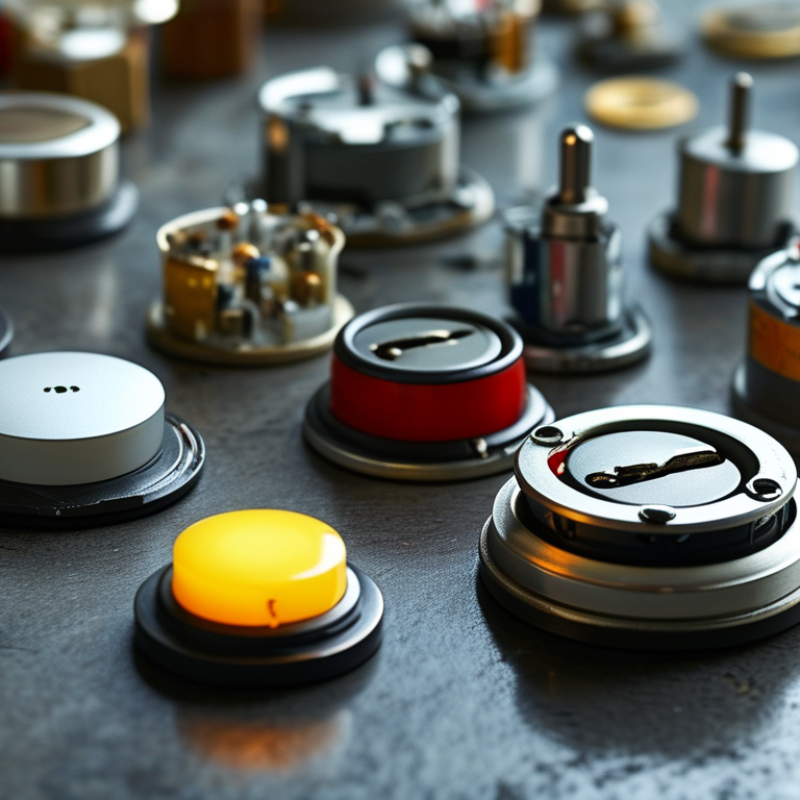
A push button switch is a simple yet essential component in many devices. It allows users to control electrical circuits with a straightforward action. Typically, these switches are designed for ease of use and convenience. They come in various shapes, sizes, and colors, making them suitable for different applications.
When the button is pressed, it completes a circuit, enabling the flow of electricity. This mechanism is fundamental to the operation of many everyday devices. For instance, you'll find push button switches in appliances, machinery, and even in home electronics. They are reliable and require minimal force to operate.
However, not all push button switches perform flawlessly. Over time, wear and tear can affect their responsiveness. Sometimes, they might get stuck or lose connection. It's essential to monitor their condition to ensure optimal performance. Users should be aware of these potential issues, as they can compromise the efficiency of devices. Understanding the functionality and limitations of push button switches can enhance their effective use in various settings.
What is a Push Button Switch and How Does It Work?
| Feature |
Description |
| Type |
Momentary / Latching |
| Material |
Plastic / Metal |
| Voltage Rating |
Up to 250V |
| Current Rating |
Up to 10A |
| Applications |
Consumer electronics, Industrial machinery, Home appliances |
| Working Principle |
Mechanical actuation closes or opens a circuit. |
| Common Features |
Illumination, Waterproof, Locking mechanism |
| Size Options |
Standard (16mm, 19mm), Custom sizes available |
The Components of a Push Button Switch
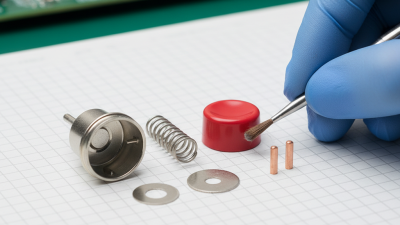
A push button switch is a simple yet essential component in many electronic devices. Understanding its components can help users grasp how it operates. Essentially, a push button switch comprises several parts: the actuator, contacts, and housing. The actuator is the visible part that you push. It initiates the action. When pressed, this component bridges the contacts, allowing electric current to flow.
The contacts are crucial. They are made of conductive materials and determine whether the circuit is open or closed. When you press the button, the contacts touch and complete the circuit. If the button is released, the contacts separate, breaking the circuit. This functionality is vital in devices like computers, appliances, and machinery.
**Tips:** Ensure that the actuator is always clean. Debris can interfere with the switch’s operation. A dirty switch might work intermittently. Regular maintenance extends the life of this component.
Another thing to consider is the housing material. It must be durable and able to withstand frequent use. Some switches may have a tactile feel, giving you feedback upon interaction. When selecting a push button switch, think about the environment it will be in. Weather exposure can affect its lifespan.
Push Button Switch Usage in Different Industries
This chart illustrates the percentage usage of push button switches across various industries. The data indicates that consumer electronics accounts for the largest share, followed by the automotive sector, highlighting the versatility and importance of push button switches in modern applications.
How Push Button Switches Work: The Mechanism
Push button switches are prevalent in various applications. These devices play a vital role in controlling electrical circuits. They operate using a simple yet effective mechanism that is both reliable and user-friendly. When pressed, the internal mechanism of the switch closes or opens a circuit, allowing or stopping the flow of electric current. This functionality is critical in manufacturing, consumer electronics, and automotive industries.
The mechanism typically consists of a spring-loaded mechanism. As the button is pressed, a pin or plunger moves down, compressing the spring. This action connects two metal contacts, completing the circuit. When the button is released, the spring returns to its original position, breaking the contact. According to industry reports, nearly 30% of electrical malfunctions stem from switch failures. Thus, understanding the mechanics can enhance device reliability.
Nonetheless, the simplicity of push button switches can lead to oversights. Users may underestimate the importance of maintenance. Regular checks can prevent premature failures. Additionally, the choice of materials in manufacturing affects durability. Some push button switches may not withstand heavy usage. This insight underscores the importance of understanding their operational limits and ensuring proper selection for specific applications.
Types of Push Button Switches and Their Applications
Push button switches come in different types, each with unique applications. One common type is the momentary push button. These switches activate only when pressed and return to their original state when released. They are often used in applications like doorbells. Their simplicity makes them easy to install and operate.
Another type is the latching push button switch. This switch stays in the last position until pressed again. They are widely found in light controls, allowing users to turn lights on and off without needing to hold the button. Their versatility makes them popular in various devices, including home appliances.
Limit switches are yet another type. These switches detect the presence of an object. They are essential in industrial settings, helping automate machinery. However, they can sometimes be sensitive to environmental factors. Dust and moisture may affect their performance. Understanding the nuances of each type ensures better application and greater reliability in usage.
Benefits and Limitations of Push Button Switches
Push button switches are popular in various applications due to their ease of use and versatility. One of the key benefits of these switches is their simplicity in operation. They can be incorporated into control panels, machinery, and consumer electronics. Their straightforward design allows for quick activation and deactivation. According to a report by the International Electrotechnical Commission, push button switches account for approximately 25% of the global switch market. This highlights their significance in the industry.
However, push button switches have limitations worth considering. They can wear out after extended use. Continuous pressing may lead to mechanical failure. This can result in costly repairs or replacements. Particularly in high-frequency applications, the durability of these switches is a concern. Additionally, environmental factors can impact performance. For example, exposure to dust or moisture may affect their reliability. A study from the Institute of Electrical and Electronics Engineers found that nearly 15% of switch failures were attributed to environmental conditions.
Ultimately, while push button switches offer numerous advantages, it is essential to weigh their drawbacks. Businesses must consider their operational environment and frequency of use. Ensuring proper maintenance and selecting the right type of switch can mitigate some of these challenges. Understanding these factors will lead to more informed decisions in design and implementation.