What is a Micro Switch and How Does it Work?
Micro Switches are small but critical components in various devices. They enable precise control due to their quick response time and small size. Leading expert in automation technology, Dr. Emily Chan, emphasizes this by stating, "A Micro Switch can make or break the efficiency of a system."
These switches work by using a physical mechanism to detect changes in external conditions. For instance, they can sense motion or pressure. In everyday applications, Micro Switches are found in elevators, home appliances, and industrial systems. Their reliability and robustness are key features that make them preferred in many sectors.
Despite their advantages, there can be challenges. Occasionally, these switches may malfunction or fail to engage properly. Understanding their mechanics is vital for troubleshooting. This ensures optimal performance in devices that rely on such switches.
What is a Micro Switch?
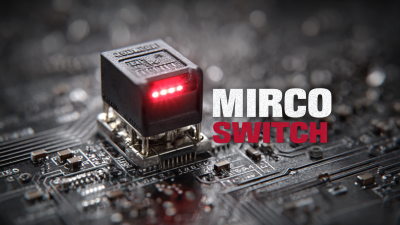
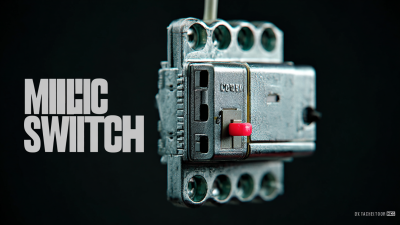
A micro switch is a small but crucial component often used in electronic devices. It works based on a mechanical mechanism. When a certain amount of force is applied, the switch is triggered. This action closes or opens a circuit, allowing current to flow or stop. The reliability of micro switches makes them ideal for various applications, from appliances to automation systems.
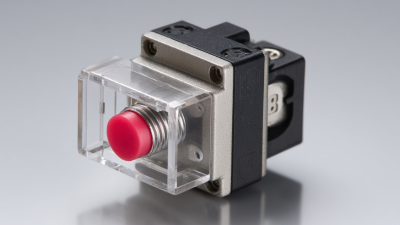
The structure of a micro switch typically includes a spring, a lever, and electrical contacts. When you press the lever, it moves the contacts together. This simple movement can control larger electrical devices. Many people may overlook their importance, but they play a significant role in ensuring devices function smoothly. Micro switches can fail if not handled properly.
Their sensitivity can be a double-edged sword. A light touch activates them, but too much pressure can lead to malfunctioning. Awareness of their limitations is crucial. Users should test them regularly to avoid unexpected failures. Understanding how micro switches work enhances your ability to troubleshoot devices effectively. Their design reflects both simplicity and ingenuity, highlighting the intricate nature of electronic components.
The Anatomy of a Micro Switch
Micro switches are small but vital components in various devices. They consist of several key elements that contribute to their functionality. The actuator is a crucial part; it interacts with the external environment. When pressed, it triggers the electrical contacts within. This action is fast and reliable, serving many applications.
Another essential component is the housing. The housing provides structural integrity and supports the internal parts. It's usually made from durable materials, allowing for long-term use. The internal mechanism includes moving contacts. These contacts are designed to make or break connections rapidly. This precision makes micro switches popular in safety applications and consumer electronics.
However, issues can arise. Over time, actuators may degrade, affecting performance. Users often overlook regular maintenance. Neglecting this aspect can lead to failures. Understanding the components provides insight into potential problems. Awareness can help in identifying the signs of wear and making timely repairs.
How a Micro Switch Operates
Micro switches are widely used in various applications due to their compact size and reliability. The operation of a micro switch relies on a simple mechanical mechanism. When pressure is applied to the actuator, a snap-action spring inside the switch rapidly changes the contacts' state. This characteristic allows it to operate with a minimal force, making it suitable for precise tasks.
Understanding how a micro switch functions is vital for many industries. According to research by Allied Market Research, the global micro switch market was valued at around $1.1 billion in 2020 and is projected to reach $1.8 billion by 2027. This growth highlights the increasing demand for these switches in applications such as automotive, industrial machinery, and consumer electronics. The micro switch's ability to offer a clear, tactile response can increase user satisfaction and improve operational efficiency.
In examining their operation, it’s important to consider potential pitfalls. Factors like environmental conditions can affect their reliability. For instance, dust or moisture can hinder performance, resulting in unexpected failures. Regular maintenance and checks can mitigate these risks, ensuring that these essential components function effectively. Balancing precision with environmental durability remains a challenge worth exploring.
Micro Switch Operation Characteristics
Common Applications of Micro Switches
Micro switches are small devices that play a crucial role in various applications. Their simplicity and reliability make them a favorite in many sectors, including automation, household appliances, and automotive systems. These switches activate with minimal force when pressed, creating an electrical connection to trigger a specific function. This characteristic allows them to operate efficiently in environments where space is limited.
In the manufacturing sector, micro switches are widely used in assembly lines. They help automate equipment such as conveyor belts. Safety mechanisms often depend on them as well. For example, they can detect when a door is closed, ensuring that machinery operates only when it's safe. In home products, you might find micro switches in smoke detectors, refrigerators, and microwaves. Their compact size means they fit into small devices while still performing reliably.
However, micro switches aren't perfect. They can wear out over time and may fail if exposed to dust and moisture. Regular maintenance is necessary to ensure proper function. Users often overlook this aspect until problems occur. Understanding the practical applications of micro switches highlights the need for awareness in their upkeep. Balancing performance with maintenance is key to leveraging their advantages effectively.
Benefits and Limitations of Micro Switches
Micro switches are essential in many applications, offering both benefits and limitations. They are widely used in devices such as elevators, vending machines, and computer peripherals. The small size and quick response time provide real advantages. Data from industry reports indicate that micro switches can operate in diverse environmental conditions, tolerating extreme temperatures ranging from -40°C to 125°C. This versatility makes them reliable in various settings.
However, micro switches do have limitations. One notable issue is their durability. Typically, micro switches have a mechanical lifespan of around 1 million operations. This can be a concern in applications requiring more frequent use. Additionally, their sensitivity to dust and moisture can lead to malfunctions. Regular maintenance may be necessary to ensure optimal performance.
Cost is another factor to consider. While micro switches are generally affordable, their frequent replacement in high-demand applications can add significant expenses over time. Users must weigh these limitations against their operational benefits. Understanding these trade-offs is critical for effective decision-making in selecting the right components for specific applications.