10 Essential Tips for Choosing the Right Micro Switch for Your Projects?
Micro switches are crucial in various applications, from consumer electronics to industrial machinery. According to a report by MarketsandMarkets, the micro switch market is expected to reach USD 2.5 billion by 2025, driven by increasing automation. These tiny switches play a significant role in enhancing user experience and system performance.
Selecting the right micro switch can significantly impact a project's success. However, with numerous options available, choosing wisely can feel overwhelming. Different ratings, sizes, and types complicate the decision-making process. Some may overlook critical specifications, leading to operational failures. Understanding your project's unique requirements is vital for making an informed choice.
When evaluating micro switches, consider key factors like actuation force, mechanical life, and environmental resistance. Many users need to analyze these aspects thoroughly. A good fit can optimize functionality and longevity. Remember, even small decisions can lead to larger consequences in engineering projects.
Understanding Micro Switch Basics and Types
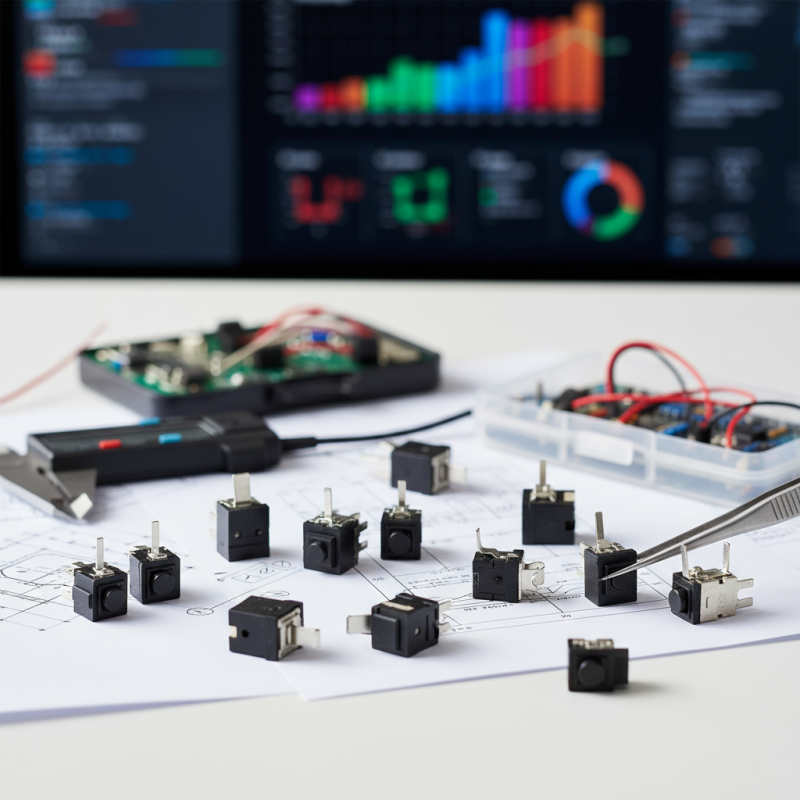
Micro switches are essential components in various applications. They come in many types, such as snap-action, roller-lever, and momentary switches. Each has unique features tailored for specific tasks. Understanding these basics helps in making an informed choice for your projects.
When choosing a micro switch, consider the actuation force needed. Too much force may lead to user fatigue. Additionally, think about the operating environment. Some switches resist moisture and dust better than others. Always check the specifications to ensure compatibility with your project needs.
Another key tip is to examine the lifespan of the switch. A switch that wears out quickly can disrupt operations. If you're unsure about a switch’s efficacy, conduct practical tests. Sometimes, the ideal choice isn’t apparent until it’s placed in action. Remember, the smallest details can significantly impact the performance of your projects.
Key Specifications to Consider for Micro Switches
When selecting a micro switch, understanding key specifications is crucial. The actuation force is one of the primary specifications to consider. Most micro switches require a force between 100 grams and 500 grams to activate. The right force ensures reliability without causing fatigue in operation. If the force is too high, it may lead to mechanical wear over time. Conversely, a too-low force may result in accidental activations.
Another essential factor is the electrical rating. Micro switches typically handle currents from a few milliamperes to several amperes. An extensive report by the International Electrotechnical Commission highlights that most micro switches operate effectively at 125V AC. However, some applications, especially in automotive electronics, may require higher ratings. It's crucial to match the switch’s ratings with your project’s electrical requirements. Failure to do so can lead to short circuits or switch failures, causing project delays or even safety hazards.
Finally, consider the durability. Micro switches are rated for a specific number of cycles, often between 1,000 and 10 million. A switch with a higher cycle rating may be necessary in high-frequency applications. This choice affects long-term reliability. Remember, selecting a switch that cannot endure your project's demands can lead to premature failures. Take time to assess these aspects to find the right micro switch for your needs.
Evaluating Actuation Mechanisms for Compatibility
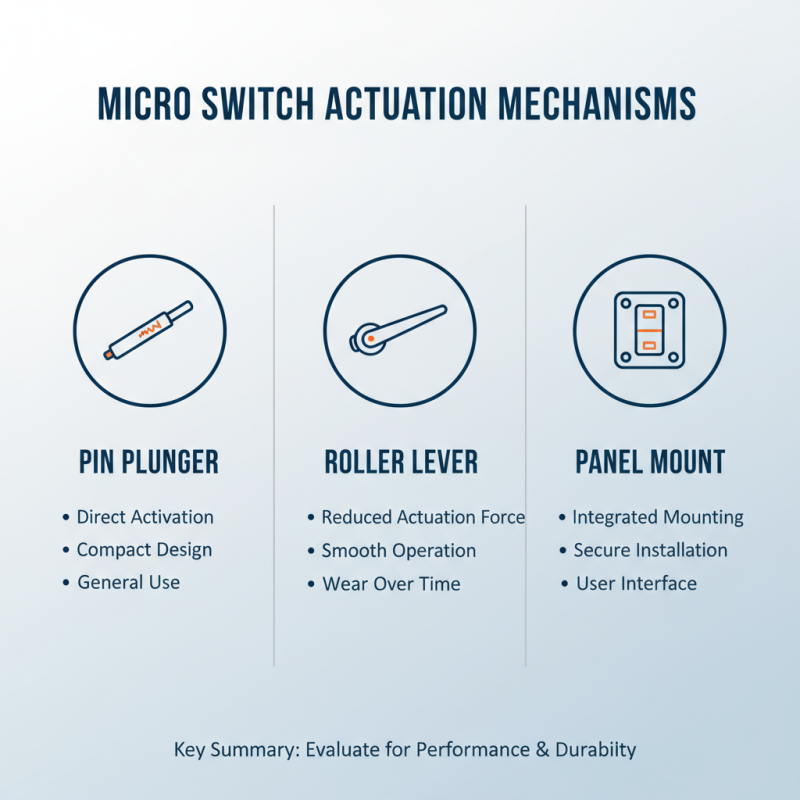
When selecting a micro switch, evaluating actuation mechanisms is crucial. Different mechanisms can dramatically affect performance. Common types include pin plunger, roller lever, and panel mount. Each mechanism offers unique advantages and limitations. For instance, roller levers can reduce the effort needed to activate the switch. However, they may introduce more wear over time.
Consider the force requirement of your project. Reports show that 80% of micro switch failures occur due to incorrect force selection. A force too high may lead to premature failure. A force too low may result in accidental activation. Align your actuation mechanism with your application needs. Do not overlook this critical aspect in your decision-making process.
Tip: Test different actuation mechanisms before finalizing your choice. This step can help you identify the best fit for your project. Another key point is to review the switch's lifespan rating. Make sure it matches your expected usage. Ultimately, proper evaluation can save you time and money in the long run.
Assessing Durability and Rating Requirements
When selecting micro switches, durability is a key factor. These components often operate in environments that require them to withstand mechanical stress and wear. According to a recent industry report, up to 30% of switch failures are attributed to poor durability. It's essential to choose switches rated for high cycle life, often exceeding 1 million operations. Assessing the materials used in the switch's construction can guide your choice. For example, metal contacts generally offer longer life compared to plastic alternatives.
Considering rating requirements is equally crucial. A micro switch must meet specific voltage and current ratings for optimal performance. The wrong rating may lead to overheating, contact welding, or even failure. Reports indicate that over 40% of electrical issues stem from mismatched ratings. Additionally, resistive load and inductive load ratings differ. Understanding these specifications helps ensure the switch can handle the intended load. Sometimes, users underestimate the impact of these ratings, leading to operational failures. It is vital to stay informed and select wisely.
10 Essential Tips for Choosing the Right Micro Switch for Your Projects
| Feature |
Description |
Considerations |
| Durability |
Micro switches must withstand repeated use without failure. |
Check the specified lifespan (e.g., 1 million operations). |
| Rating Requirements |
Choose microswitches with appropriate voltage and current ratings. |
Ensure compatibility with your circuit specifications. |
| Actuation Force |
Micro switches come with different actuation force requirements. |
Select based on user interaction needs. |
| Size and Form Factor |
Consider the physical space available for installation. |
Evaluate dimensions to ensure fit. |
| Operating Temperature |
Micro switches have a range of operating temperatures. |
Confirm suitability for your project's environment. |
| Mounting Type |
There are various mounting options such as PCB mount or panel mount. |
Choose based on assembly needs. |
| Contact Configuration |
Micro switches can have different contact types (SPDT, DPDT, etc.). |
Select based on circuit design. |
| Response Time |
Response time can be critical in applications requiring quick actuation. |
Ensure it meets your performance requirements. |
| Environmental Resistance |
Some micro switches are designed for harsh environments. |
Check IP ratings for water/dust resistance. |
| Cost |
Budget considerations are essential for project viability. |
Evaluate cost vs. quality trade-offs. |
Cost vs. Quality: Making Informed Choices for Projects
When selecting a micro switch, the balance between cost and quality is crucial. High-quality switches often promise reliability and durability. However, they typically come with a higher price tag. On the other hand, cheaper options might reduce your initial spending but risk malfunction sooner. This trade-off requires careful consideration of your project's specific needs.
Think about the environment in which the switch will operate. Harsh conditions demand a robust switch, even if it costs a bit more. A low-cost option might fail under extreme temperatures, leading to costly repairs or replacements. Evaluate the potential long-term expenses. Are you sacrificing reliability for a lower upfront cost? Consider how often you'll need to replace less durable switches. It’s a critical reflection point for many projects.
Additionally, the application matters. For sensitive electronics, a high-quality switch ensures proper functionality. Yet, if it’s a simple mechanical task, a lower-cost switch might suffice. Delve deeper into your project requirements. Assess where compromises can and cannot be made. This reflection can help in making an informed decision that aligns with your project's goals without overspending.