10 Essential Tips for Choosing the Right Illuminated Push Button?
Choosing the right Illuminated Push Button can significantly enhance user experience. According to industry expert John Smith, “The right button can make or break an interface.” This statement highlights the importance of thoughtful selection.
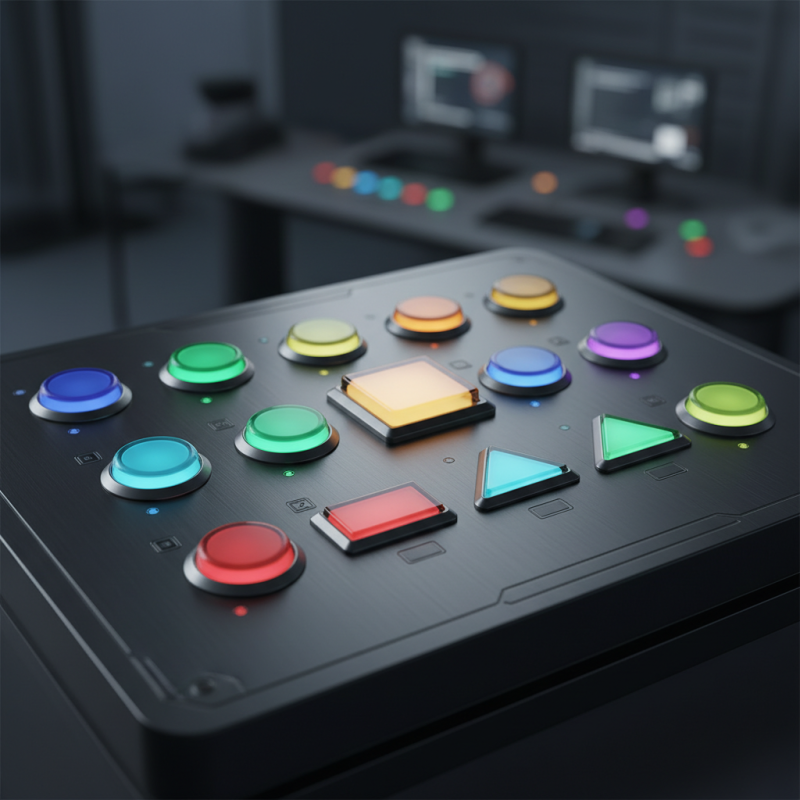
Illuminated Push Buttons serve crucial roles across various applications. They improve visibility in low-light conditions. Choosing the wrong type can lead to usability issues. Consider factors like size, color, and energy efficiency. Each choice shapes user interaction.
Reflecting on personal experiences, many have faced challenges with poorly chosen buttons. Sometimes, the aesthetic features outshine functional ones. Achieving a balance is essential. Thoughtful choices can transform an ordinary interface into an intuitive one. Prioritize functionality alongside design to ensure user satisfaction.
Understanding the Different Types of Illuminated Push Buttons
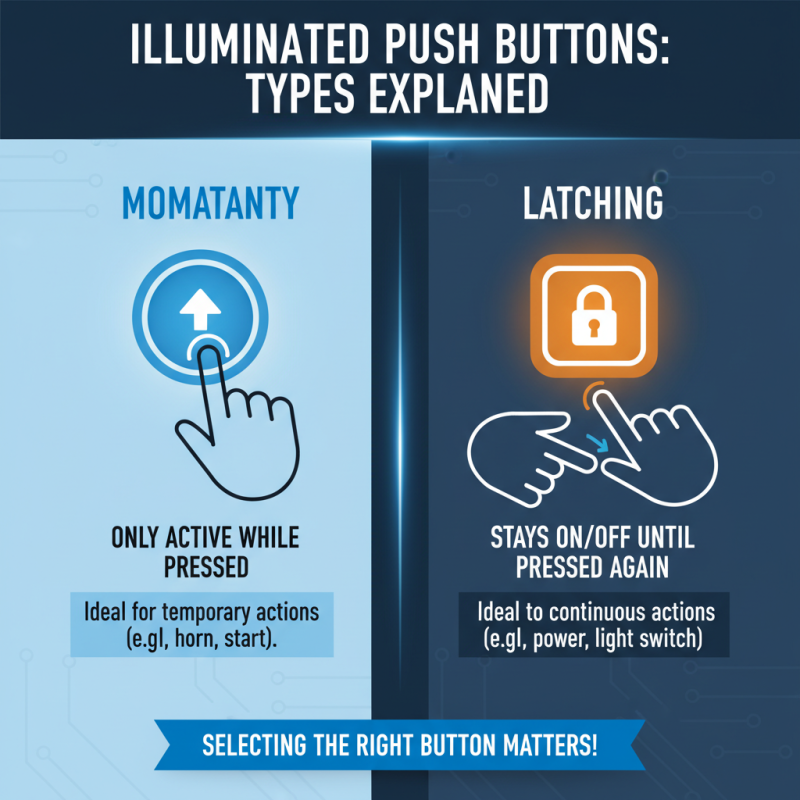
When selecting illuminated push buttons, understanding their different types is essential. There are primarily two types: momentary and latching. Momentary buttons activate only while pressed, making them ideal for temporary actions. Latching buttons, on the other hand, stay on or off until pressed again. This distinction can influence how users interact with the equipment.
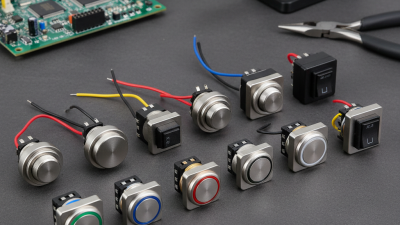
Another critical aspect is the light source. LED lights are popular due to their longevity and energy efficiency. However, neon lights provide a warmer glow, which might be preferable for specific environments. The color of the light also matters. Red often indicates caution or a stop function, while green signifies go or operational status. Choosing the right combination can enhance user experience and clarity in signaling.
Material quality is another factor to consider. Some buttons may look appealing but may fail under high operation frequency. Understanding environmental needs is essential. For instance, buttons used outdoors should be weatherproof. Neglecting these specifics could lead to early failures. Evaluate your specific requirements and preferences carefully.
Key Factors to Consider When Selecting Illuminated Push Buttons
When selecting illuminated push buttons, several key factors are crucial. **Brightness is essential.** The illumination should be bright enough to catch attention but not blinding. Consider the environment. In bright settings, brighter buttons are necessary. In darker areas, softer illumination may suffice. Evaluate the size and shape of the push button. A larger button can be easier to locate and press, making it ideal for critical applications.
**Color can influence usability.** Different colors convey different meanings. For example, red often signals danger while green indicates safety. Think about the material too. It impacts both durability and aesthetics. Some materials may wear down faster than others. Also, ensure the button feels right. A tactile response can enhance user interaction. However, some buttons might feel too harsh or too soft.
Reflect on how often you will use the button. In high-frequency situations, consider a robust design. Reliability is vital. A malfunctioning button can lead to frustration. User feedback is another valuable aspect. Understanding user preferences can drive better decisions. Collecting insights will lead to smarter choices, providing a better user experience.
10 Essential Tips for Choosing the Right Illuminated Push Button
| Criteria |
Description |
Importance Level |
| Illumination Type |
Choose between LED, neon, or fiber optic illumination. |
High |
| Voltage Rating |
Ensure compatibility with your power supply. |
High |
| Mounting Type |
Consider panel, surface, or flush mounting options. |
Medium |
| Size and Shape |
Select size and shape that fit your design requirements. |
Medium |
| Color Options |
Pick colors that enhance visibility and aesthetics. |
Low |
| Durability Rating |
Check the IP rating for environmental resistance. |
High |
| Switching Mechanism |
Determine if momentary or maintained action is needed. |
Medium |
| Current Rating |
Ensure it can handle the load of your application. |
High |
| Cost |
Balance between quality and budget constraints. |
Medium |
| Certification |
Look for compliance with industry standards. |
High |
Evaluating Light Source Options for Enhanced Visibility
When considering illuminated push buttons, the light source plays a crucial role. There are primarily two types of lighting to choose from:
LED and incandescent.
LEDs are energy-efficient and have a longer lifespan. They can produce vibrant colors, enhancing visibility. Incandescent lights, however, tend to have warmer tones that create a more inviting atmosphere.
You need to weigh these options carefully based on your application.
Brightness levels and color temperature are key factors to assess. A cooler light may work better for a commercial environment. Conversely, a warmer light may fit residential settings nicely.
Consider the size of your buttons and their intended use. A larger button may need a brighter source for clear visibility.
It's also essential to think about the installation location. If it’s outdoors, ensuring weather resistance is vital. Indoor settings may require less rigorous standards.
Testing various light sources can provide practical insights into their real-world performance.
Balancing aesthetics with functionality is challenging, but can lead to better user experiences. Your choice should reflect both design and practical needs.
Assessing Durability and Weather Resistance Requirements
When choosing an illuminated push button, durability and weather resistance are critical factors. These buttons face harsh conditions in outdoor settings. Rain, snow, and intense sunlight can affect their performance. It's essential to select materials that can withstand these elements.
Look for buttons made from robust, weather-resistant materials. Polycarbonate or stainless steel can be great options. Such materials enhance longevity. Reinforced seals also help protect internal components against moisture and dust. Testing these buttons in real-life conditions can provide valuable insights, but there may be unexpected failures.
Consider the mounting location for the push buttons. Exposed areas may require better protection. Regular checks can highlight wear and tear. These proactive measures help maintain functionality over time. Choosing the right illuminated push button involves careful thought and consideration.
Durability and Weather Resistance Assessment for Illuminated Push Buttons
Compatibility with Control Systems and Electrical Specifications
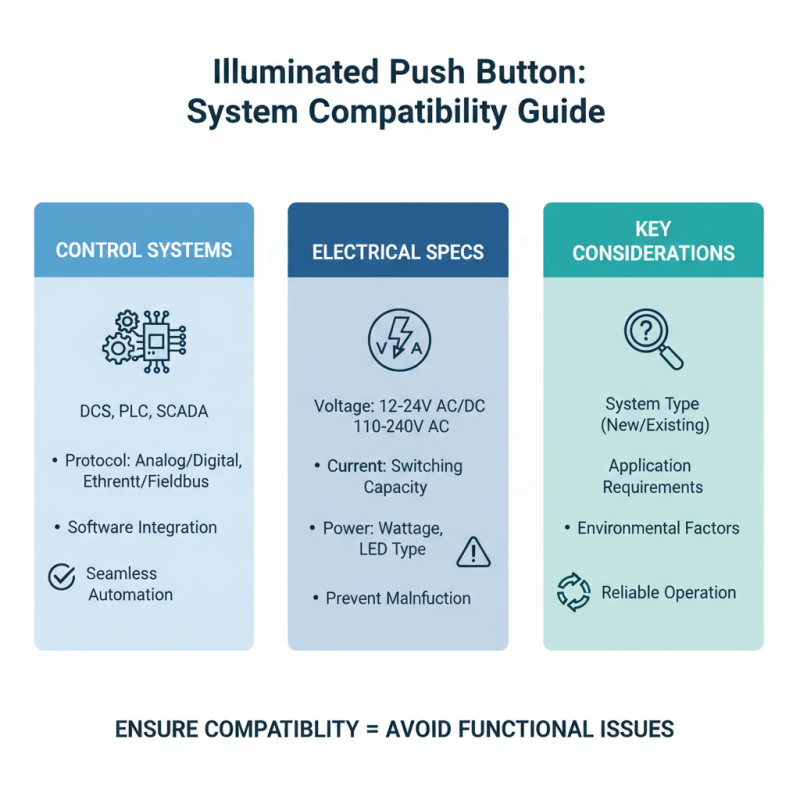
When choosing the right illuminated push button, compatibility with control systems is critical. Different control systems may have unique requirements. Check if the button is suitable for your specific application. This ensures seamless integration with existing setups. If you overlook compatibility, it can lead to functional issues.
Electrical specifications play a significant role too. Each push button has a voltage rating and current capacity. Ensure these match your system's needs. If a button's specifications are not aligned, it can lead to premature failure. Understand the ambient conditions, like temperature and humidity. These factors can impact performance.
Additionally, consider how the button's illumination will look in your environment. The brightness and color should match the functionality. Sometimes, the aesthetic can distract from its purpose. Look for a balance that meets your needs while enhancing usability. Reflect on how each choice affects overall system performance.