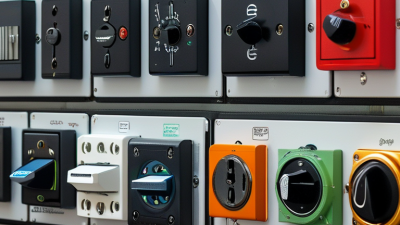
Global buyers are paying closer attention to small electrical components. An Electrical Rocker switch may look simple, yet it controls safety, usability, and product reliability.
The International Energy Agency’s Electricity 2024 report projects global electricity demand growth of about 4% annually from 2024 through 2026. More connected equipment means more switching points in appliances, control panels, vehicles, and portable systems. This trend increases pressure on buyers to verify ratings, materials, endurance, and supply stability.
A dependable buying decision should begin with the application, not the lowest quotation. Check voltage, current, circuit type, contact material, actuator feel, mounting dimensions, and environmental protection. IEC 60669-1 and UL 20 provide important reference points for switches used in household and similar fixed installations. However, certification alone does not guarantee the best fit. It must match the destination market and the finished product.
Small details matter. A loose terminal, weak spring, or poorly sealed housing can create costly failures. I have seen specifications that looked complete but omitted switching-load conditions. That gap matters.
This guide presents ten practical Electrical Rocker switch buying tips for international purchasers. It considers technical performance, factory capability, testing evidence, documentation, customization, and after-sales support. No checklist is perfect. Buyers should still test samples under real operating conditions, question unclear claims, and review supplier records carefully. A careful decision today can prevent returns, production delays, and unsafe field performance tomorrow.

Choosing an electrical rocker switch starts with understanding its switching function, not its appearance. SPST models control one circuit, while SPDT models transfer power between two circuits. Maintained switches stay in position after activation. Momentary versions return when released.
In equipment testing, I check the circuit diagram before selecting the actuator style. A wide rocker suits control panels, lighting systems, and compact appliances. Illuminated switches improve visibility in dim workshops, but their internal lamp needs compatible voltage. For outdoor equipment, sealed designs help resist dust and moisture. They still require correct enclosure protection.
Current rating matters under real operating conditions. Motors and pumps can create higher starting currents than their labels suggest. A switch rated only for steady resistance loads may fail early in an inductive circuit. Temperature, wire size, terminal design, and switching frequency also affect service life. I prefer products with clear test data and recognized safety certification.
One frequent mistake is treating “waterproof” as absolute. It is not. Sealing performance depends on installation, cable entry, and aging. I have seen a well-rated switch fail because moisture entered through a poorly fitted panel cutout. Buyers should compare voltage, current, pole configuration, actuator action, mounting dimensions, and environmental ratings with the actual application. Slightly higher capacity can provide useful margin, but excessive size may create unnecessary cost and fitting problems.
Understand electrical rocker switch types and applications before selecting a switch for your equipment, control panel, vehicle, or household appliance.
How to read the chart: Poles indicate the number of independent circuits controlled, while throws indicate the number of circuit paths available for each pole. SPST switches are commonly used for simple on/off control, SPDT switches for changeover functions, DPST switches for controlling two circuits together, and DPDT switches for reversing polarity or selecting between two circuit paths. Always verify voltage, current, insulation, terminal type, IP rating, panel cutout size, and required certifications before purchasing.
Check the voltage rating before checking the switch appearance. A switch marked 12 V DC is not automatically suitable for 230 V AC. AC and DC loads behave differently during switching. Confirm the system voltage, frequency, and polarity requirements. For example, a 24 V DC control panel may still need a higher current rating for motor startup.
Tip: Match current ratings to the real load, not only its normal running current. Motors, lamps, and capacitive devices can create short inrush peaks. A 10 A motor may briefly demand much more. Choose suitable derating, especially inside warm enclosures. Heat increases contact resistance and may shorten service life. This detail is often missed.
Electrical load type matters. Resistive heaters are usually easier to switch than motors or LED drivers. Check whether the rating applies to AC, DC, or both. Also inspect terminal temperature ratings and wire compatibility. A secure terminal should not loosen under vibration. The common mistake is trusting a large number on the label without reading its test conditions. I would recheck the datasheet before approving a purchase.
Tip: Request test evidence, wiring diagrams, and regional certification documents from the supplier. Requirements differ across markets. Keep the switch accessible, protected from moisture, and properly enclosed. A good rating cannot correct poor installation.
Choose the switch body according to its working environment. Nylon suits many indoor panels, while metal housings handle impact and heat better. For outdoor equipment, check UV resistance and the stated ingress protection rating. Moisture can enter through a poorly sealed panel cutout. Small details matter. Terminal material also affects long-term performance. Copper-alloy terminals with suitable plating can reduce oxidation and contact resistance. Confirm the wire size, terminal shape, and connection method before ordering.
Match the switch rating to the real load, not only the catalog headline. Motors and lamps may create higher starting currents than expected. Ask for separate ratings for resistive and inductive loads. Mounting style should fit the panel thickness and cutout dimensions exactly. Snap-in models install quickly, but vibration may loosen a weak fit. Screw-mounted switches usually provide better retention. Check the locking tab, bezel clearance, and rear space around the terminals.
Request technical drawings, test reports, and compliance documents from the supplier. Independent verification is valuable for international projects.
I once focused too heavily on price and overlooked terminal spacing; assembly became slower than planned. That mistake was avoidable.
Order samples and test them with your actual wires, loads, and enclosure. Inspect switching force, temperature rise, sealing, and repeated operation. A promising specification can still disappoint in the field. Keep a written approval record for every material, terminal, and mounting change.
Electrical Rocker Switch Buying Tips for Global Buyers
Safety starts with the rating, not the appearance. Confirm rated voltage, continuous current, inrush current, and switching category. Check creepage and clearance for the target voltage. Review IEC 61058-1 test coverage for appliance switches. Ask for test reports, certificate numbers, and production traceability. Do not accept a logo alone. A certificate must cover the exact switch family and rating. NFPA’s Home Electrical Fires report estimated 32,950 U.S. home fires annually from electrical distribution and lighting equipment between 2015 and 2019. That figure makes contact heating a procurement issue, not paperwork.
Durability depends on actual use. Check mechanical endurance, electrical endurance, terminal retention, contact resistance, and actuation force. Test samples under the real load. Include motor start-up, not only steady current. Ask for derating curves. Good switches can fail when crowded wiring raises temperature. It happens.
For outdoor or wet equipment, match the enclosure to IEC 60529 IP requirements. IP ratings address ingress, not every chemical or ultraviolet risk. Request IEC 60068 testing for heat, humidity, vibration, salt mist, and temperature cycling. Inspect flame behavior, housing material, cable compatibility, and torque limits. Verify regional conformity documents and end-use requirements. Audit production samples, not only laboratory samples. Packaging also matters. A cracked actuator can expose contacts after transport. Field conditions may still surprise a laboratory test.
When comparing suppliers, begin with the switch’s actual operating conditions. Check rated voltage, current, mounting dimensions, terminal type, and expected switching cycles. A clear datasheet matters more than polished sales language. Request samples before placing a volume order. Test them with your intended load, enclosure, and wiring method. Small differences in terminal fit can create costly assembly delays. Ask for production photographs, quality procedures, and a traceable inspection record. A supplier that answers technical questions precisely is usually easier to manage.
Certifications require careful review. Do not accept a logo or certificate number without checking its scope, issue date, and product model. Request relevant test reports from a competent, independent laboratory. Certification needs can differ by destination, application, and voltage system. Compliance documents should match the exact switch, not a similar-looking series. I have seen buyers trust outdated files. That mistake is surprisingly common. Verify materials, flame ratings, and contact construction when safety is important.
Compare pricing through total landed cost, not unit price alone. Include tooling, packaging, sample fees, inspection, customs charges, insurance, and freight. Ask whether the quotation uses EXW, FOB, CIF, or another Incoterm. These terms change who controls transport, risk, and unexpected charges. Confirm carton dimensions, pallet details, lead time, and shipping documents in writing. Air freight may protect a launch schedule, while sea freight usually reduces cost. Still, delays can erase the savings. Leave room for currency changes and quality rework. A lower quotation can become expensive after one missed delivery.