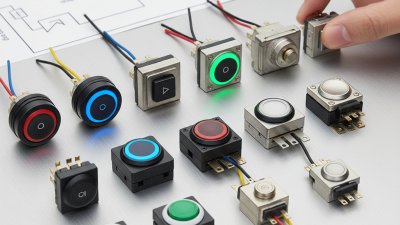
Best Momentary Push Button Switches for Global Buyers?
In the world of electronics, the significance of a Momentary Push Button Switch is often underestimated. Experts agree that selecting the right switch can make or break a design. John Smith, a well-known electrical engineer, once stated, "The right momentary switch can enhance user experience significantly." This highlights the importance of understanding these components.
A Momentary Push Button Switch serves as a crucial interface in various applications. From industrial machinery to consumer electronics, its role is critical. Each switch must be reliable under different conditions. Factors such as durability and tactile feedback are vital when making a choice.
However, not all products meet high standards. Some switches may fail under specific conditions, leading to potential user frustration. It’s essential to consider these aspects when selecting a momentary switch. Buyers need to reflect on their requirements and choose wisely.
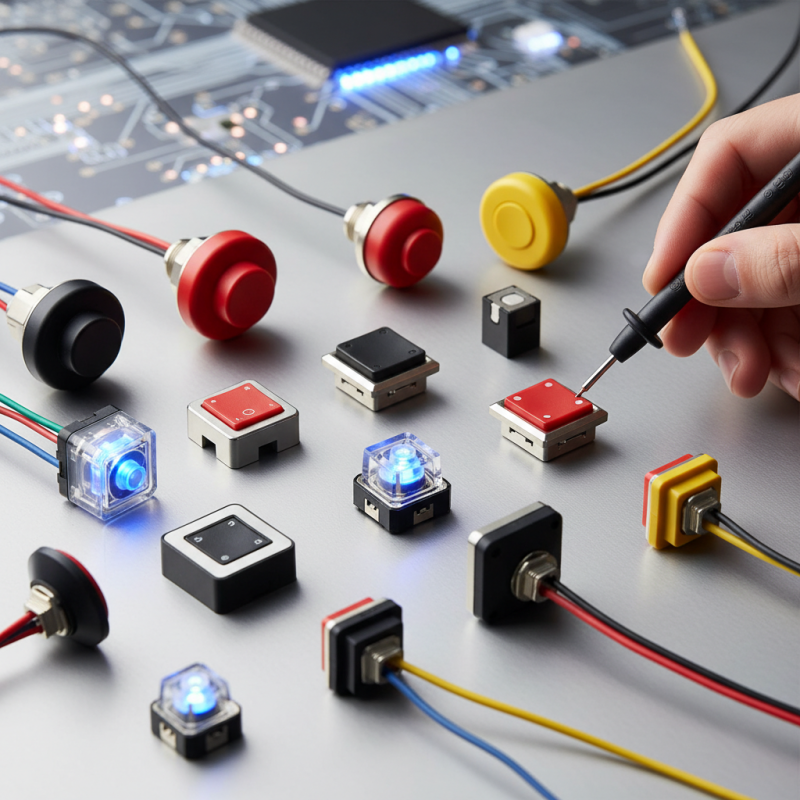
Key Features to Consider in Momentary Push Button Switches
When selecting momentary push button switches, several key features stand out. One of the most critical factors is the switch's durability. According to a recent industry report, a high-quality momentary switch can withstand over a million cycles. This longevity is vital in devices requiring frequent interaction, such as control panels and machinery.
Another important consideration is the electrical specifications. The voltage rating and current capacity must match the intended application. Many switches operate effectively at 12V to 24V DC, but specific applications may demand higher ratings. Attention to these details can prevent premature failure or safety hazards.
Furthermore, the tactile feedback provided by a switch can significantly influence user experience. A switch that feels responsive can enhance user confidence and satisfaction. However, poor feedback may lead to frustration and decreased efficiency. Manufacturers are tasked with finding this balance while ensuring the switch meets diverse global standards. Addressing these concerns can lead to more reliable products and improved user interfacing.
Top Brands of Momentary Push Button Switches for International Markets
When considering momentary push button switches, it's essential to explore top brands that cater to international markets. These switches are widely used in various applications, from consumer electronics to industrial machinery. Reliable manufacturers focus on product quality and user experience. They invest in innovative designs and robust materials.
One key factor is the switch's durability. High-performance brands often test their products extensively. They ensure that the switches can withstand frequent use without compromising functionality. Additionally, ease of installation is a priority. Brands with a solid reputation provide clear documentation and support.
However, challenges do arise. Some manufacturers may overlook specific market needs. This often leads to mismatched features and usability issues. Buyers must remain vigilant. Researching product reviews and seeking peer recommendations can help identify potential pitfalls. Quality assurance is crucial. While many brands boast high standards, not all will meet your specific requirements. Understanding these nuances can save time and resources in the long run.
Best Momentary Push Button Switches for Global Buyers
Applications of Momentary Push Button Switches Across Various Industries
Momentary push button switches find diverse applications across industries. In manufacturing, they facilitate machinery operation. Operators press them to start or stop a machine. These switches provide a reliable way to control complex systems.
In consumer electronics, they enhance user experience. From remote controls to kitchen appliances, they help users command devices with a simple touch. Their tactile feedback assures users that their command has been received. However, wear and tear can affect performance over time.
In the automotive sector, these switches are crucial. They control features like headlights and horn functions. Their compact design allows integration into various vehicle systems. Yet, poor quality can lead to malfunction, prompting a reevaluation of materials used. Industries must balance cost and quality for optimal performance. Each application highlights the importance of reliability and user confidence in these small yet vital components.
Comparative Analysis of Momentary Push Button Switches: Pros and Cons
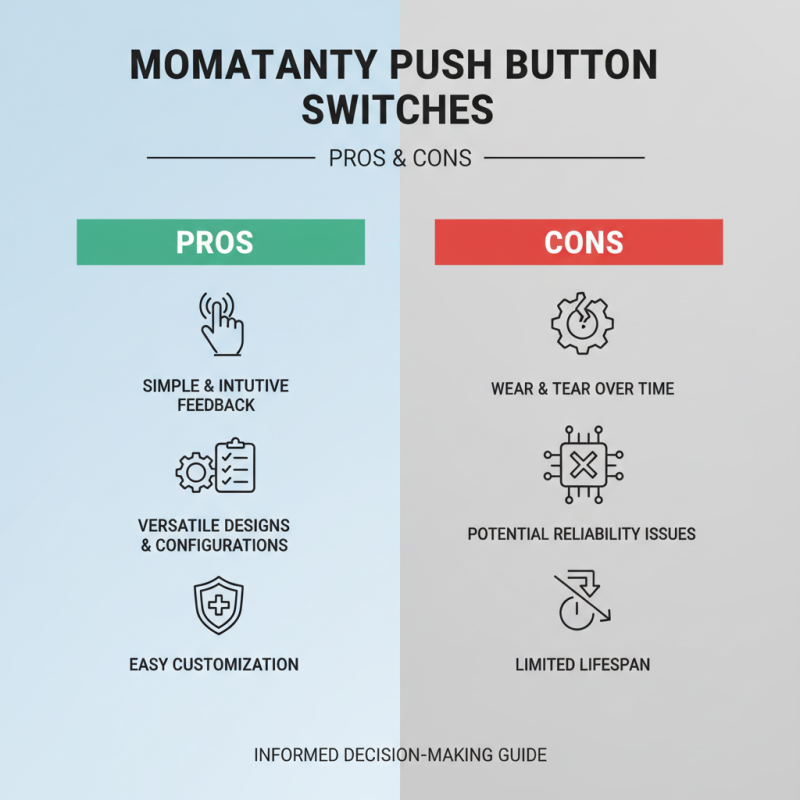
Momentary push button switches are versatile components used in various applications, from consumer electronics to industrial machines. Understanding their pros and cons can help buyers make informed decisions. One significant advantage is their simplicity. These buttons provide immediate feedback, making them user-friendly. Furthermore, they come in multiple designs and configurations, allowing customization for different needs. However, they may wear out over time, leading to potential reliability issues.
On the downside, momentary push button switches can be sensitive. Accidental pressing can lead to unwanted activations in some setups. This sensitivity depends on the switch design and its intended use. Buyers must also consider installation challenges. If not properly installed, these switches may fail to function as expected. Real-world testing is essential to ensure their durability and performance. Not every switch will suit every application, and potential failures should be discussed with suppliers to find the best match.
Buying Guide for Momentary Push Button Switches: Tips for Global Consumers
When selecting momentary push button switches, global consumers should consider several key factors. The switch type matters; for example, tactile switches are great for low-power applications. They provide feedback, assuring you that the button has been engaged. However, they may wear out faster than other options.
Durability is crucial. Look for switches rated for high cycles. Quality materials like metal or robust plastics often offer better longevity. Remember, not all switches are created equal. Some may feel good but fail under heavy use. It's essential to balance aesthetics and functionality when making your choice.
Moreover, consider the installation process. Some switches require a specific depth for mounting. Make sure your design accommodates these needs. Seek out specifications that guide your selection. In the end, finding the right momentary push button switch takes a bit of trial and error. Stay open to experimenting with different options to find the best fit for your projects.