Best Micro Limit Switch Options for Your Industrial Needs?
Choosing the right components for industrial applications is crucial. One key component is the Micro Limit Switch. These tiny devices play a significant role in automation and control systems. They help ensure precise movement and reliability in machines.
Micro Limit Switches are designed to detect the position of moving parts. Their compact size doesn't compromise their effectiveness. They excel in harsh environments, making them ideal for various industries. Understanding their specifications can be challenging, as they vary widely in quality and performance.
While selecting a Micro Limit Switch, it’s essential to consider factors such as durability, response time, and environmental resistance. Many options are available, but not all will meet your needs reliably. A careful assessment of your requirements is necessary to avoid costly mistakes.
Understanding Micro Limit Switches: Definitions and Applications
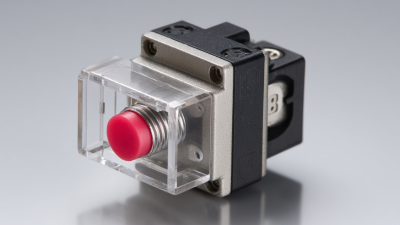
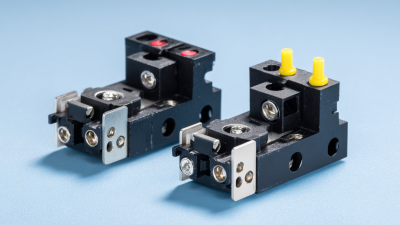
Micro limit switches are essential components in various industrial applications. They play a crucial role in automation, providing precise control over machinery. Understanding their function helps in selecting the right type for your needs. Typically, these switches are compact with a small operating size, making them suitable for tight spaces.
These switches operate by detecting mechanical movements. When an object comes into contact with the actuator, it triggers an electrical response. This responsive action allows for reliable machine operation and enhanced safety. Applications range from conveyor systems to robotics. However, it’s vital to choose a switch that matches the specific environment.
Installation might seem straightforward, but challenges can arise. Incorrect mounting can lead to malfunction or reduced life span. It’s critical to consider operating conditions like exposure to dust or moisture. Reflecting on these details ensures better performance and reliability. Selecting the right micro limit switch is not just about function—it’s about improving overall system efficiency.
Key Features to Consider When Selecting Micro Limit Switches
When selecting micro limit switches for industrial applications, understanding their key features is vital. An essential aspect is the operating force. Look for switches that require minimal force to activate. This reduces wear and enhances precision in machinery. Durability also plays a significant role. Switches must withstand harsh environments such as moisture and dust. Assess their ingress protection rating to ensure they can endure these conditions.
Another important factor is the switch's electrical ratings. Ensure they match your system's voltage and current requirements. Poor matching can lead to failures and increased maintenance costs. Size matters as well. A compact switch can fit into tight spaces, but check if the design meets your operational needs. Test the initiation and reset mechanisms too. They should work seamlessly under operational stress, but ensure you are prepared for occasional misfires.
Quality testing is crucial, yet often overlooked. Opt for switches that have passed rigorous testing standards. This shows reliability and builds your confidence in the choice. However, always examine the supplier’s reputation and product reviews. This step can provide insights and potentially reveal: Are there common failure points? Being thorough in your selection process can save time and resources in the long run.
Best Micro Limit Switch Options for Your Industrial Needs
| Model |
Operating Force (N) |
Travel Distance (mm) |
Contact Rating (A) |
Temperature Range (°C) |
Body Material |
| Model A |
1.5 |
2.5 |
10 |
-20 to 85 |
Plastic |
| Model B |
2.0 |
3.0 |
15 |
-10 to 75 |
Metal |
| Model C |
1.8 |
2.0 |
12 |
-25 to 80 |
Composite |
| Model D |
2.5 |
4.0 |
20 |
-30 to 90 |
Stainless Steel |
Top Micro Limit Switch Brands Based on Industry Performance Metrics
Selecting the right micro limit switch is crucial for industrial applications. Performance metrics play a vital role in determining the effectiveness of these devices. Various factors, including durability, response time, and accuracy, affect their reliability. Many operators overlook the importance of these aspects, leading to operational inefficiencies.
In terms of industry performance, certain brands consistently deliver high-quality switches. Assessing user reviews and failure rates helps identify top performers. Reliability is key, especially in environments with extreme temperatures or vibrations. The right choice can reduce downtime and maintenance costs, which is often underestimated.
While some brands stand out, no option is perfect. Performance can vary based on specific applications and user needs. Regular evaluation of switch performance is essential. Adapting to changes in operational requirements can help maintain efficiency. Reflection on previous experiences with different models can provide valuable insights for future selections.
Comparative Analysis of Micro Limit Switch Types for Specific Industrial Uses
Micro limit switches are crucial in various industrial applications. They play essential roles in automation, safety, and control systems. Understanding the best types for specific needs can significantly improve efficiency and reliability.
There are two primary types of micro limit switches: mechanical and non-contact. Mechanical switches are generally more durable and reliable under harsh conditions. They offer tactile feedback, making them suitable for applications requiring precision. However, they may wear out over time, necessitating regular maintenance. Non-contact switches provide a longer lifespan and reduce wear and tear. These types often utilize magnetic fields, which can lead to false triggering if not properly aligned.
In analyzing these switches, consider factors like operational environment and load capacity. Each type has strengths and weaknesses. For instance, mechanical switches function well in environments with minimal vibrations. In contrast, non-contact switches excel in dirty or hazardous areas. Evaluating your needs carefully can lead to better decision-making. A deep understanding of your application is essential for selecting the right micro limit switch.
Industry Standards and Compliance for Micro Limit Switches and Their Importance
Micro limit switches play a crucial role in industrial applications. They serve as critical components that ensure machinery operates safely and efficiently. Adhering to industry standards is vital. These standards dictate not only the performance of the switches but also their environmental compatibility. Compliance with these regulations increases reliability and extends product life.
The importance of understanding these compliance measures cannot be overstated. They provide guidelines that help manufacturers design switches that withstand harsh conditions. Many incidents arise due to oversight in these standards, leading to equipment failures. Ensuring switches are properly rated for specific environments is essential. This includes factors such as temperature extremes and dust exposure. Ignoring these specifications can lead to costly downtime.
Another aspect worth considering is the testing and certification process. It is not always clear which tests a switch has undergone. Knowing this can help avoid potential risks. For example, switches used in high-load applications must pass stringent safety tests. Some manufacturers may provide comprehensive documentation, while others may not, leaving room for doubt. Staying informed about these compliance standards can significantly enhance operational safety and efficiency.